Explore the Meander

Herold Meander historic buildings and structures
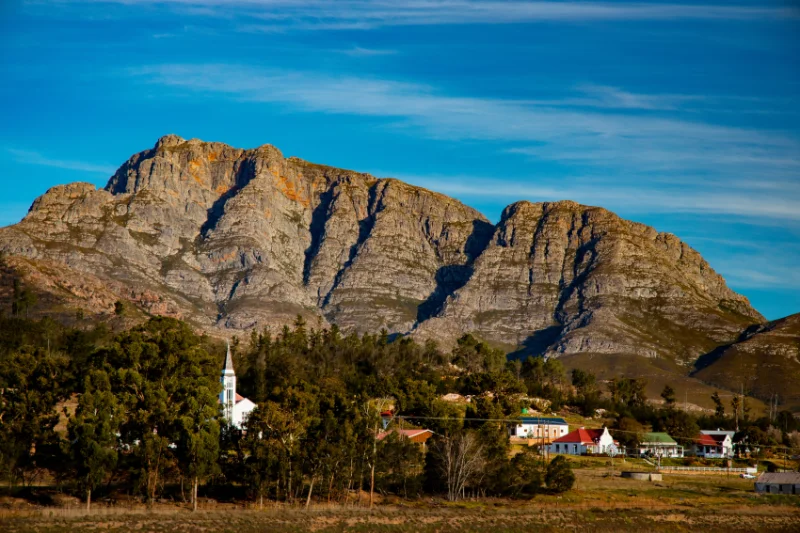
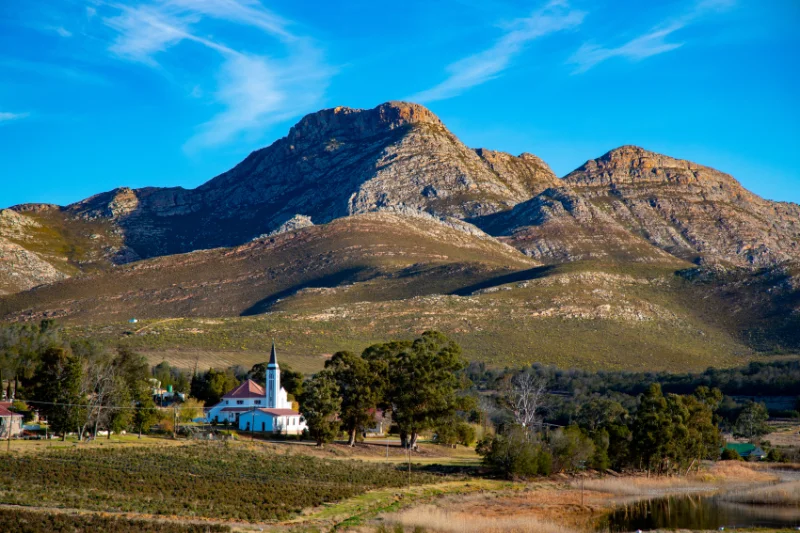

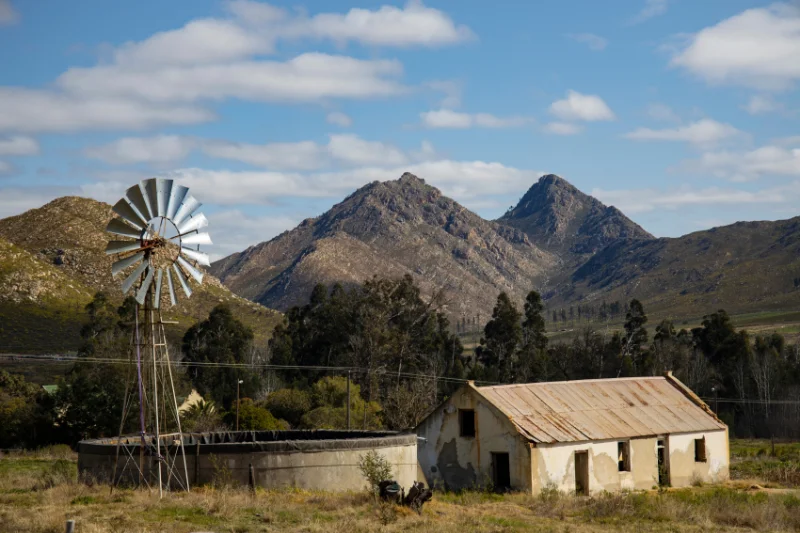
Moertjiesklip Padstal
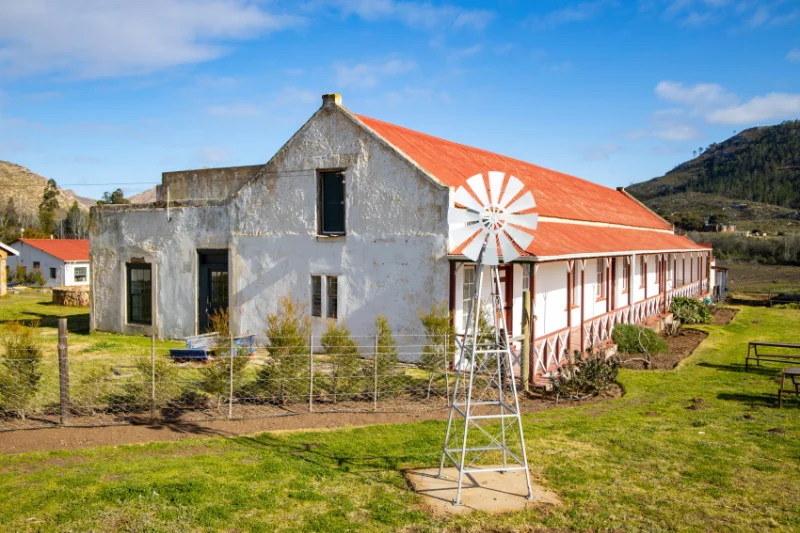
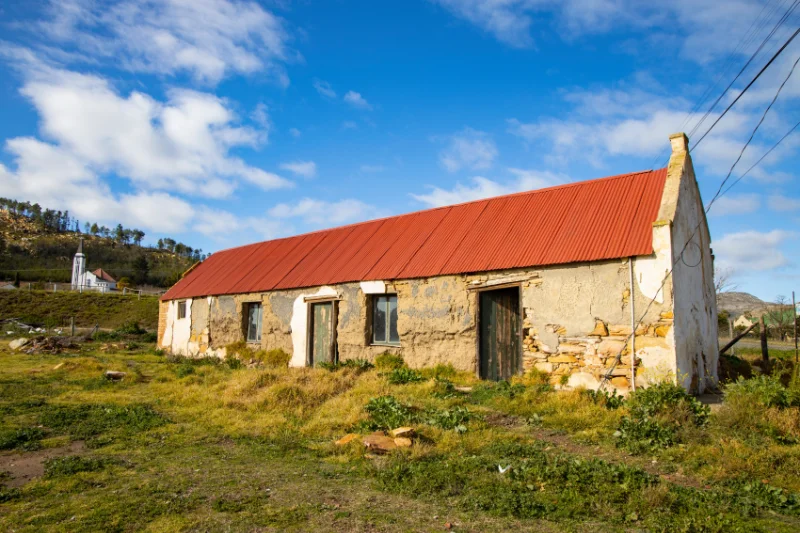
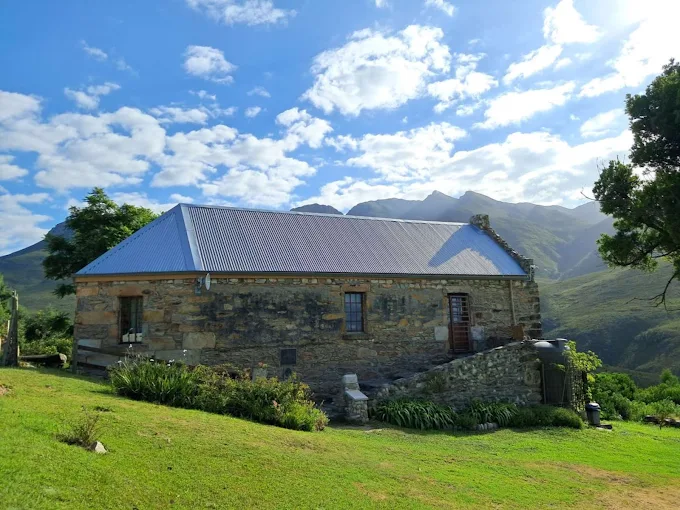
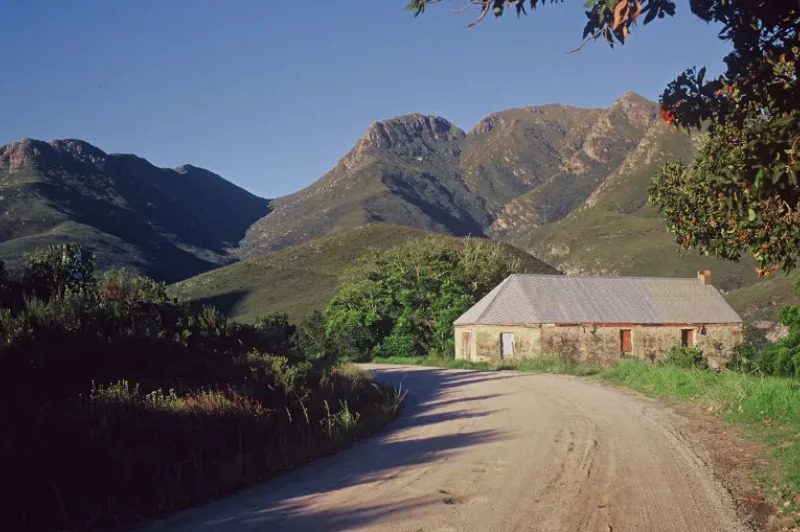
The original Moertjiesklip Padstal structure is a typical Cape longhouse (16m x 6.6m) probably built in the late 19th Century. At one point it accommodated the original settlement school. It was later used as a dwelling but has been vacant for many years. This has led to theft of materials and extensive damage. The main wing consists of one large room 10m long and a small room at one end. The walls are of random rubble with clay mortar, plastered and lime-washed. Its yellowwood beams and probably its yellowwood loft floor have been lost with just the ends of the beams that were left in place. It was probably originally thatched but now has a corrugated iron roof on pole rafters. A large lean-to addition of four rooms with a central passage was added. This must have been in the late 19th Century when corrugated iron became available. The external walls of the lean-to are the same thickness as those of the longhouse, between 450 and 500mm, but the internal walls are only 250mm thick.
Herold Losieshuis
The Herold Losieshuis structure is the largest building of the complex (31.7m x 14.8m) consisting of a main wing under a pitched corrugated iron roof with a veranda. A passage and a series of rooms are under a lean-to roof at the rear added at a later stage. The walls of both are of random rubble over 500mm thick with clay mortar suggesting that the lean-to addition may have been added fairly soon after the main wing was completed. In the longhouse wing it had a shop at one end. As a boarding house it accommodated the local policemen, post office workers and schoolteachers. It probably dates from the late 19th Century when the settlement was at its height. It probably had a corrugated iron roof when it was built and has a loft with doors in each gable. The loft floor is of 150mm boards on sawn timber beams.
Herold Meander Country House
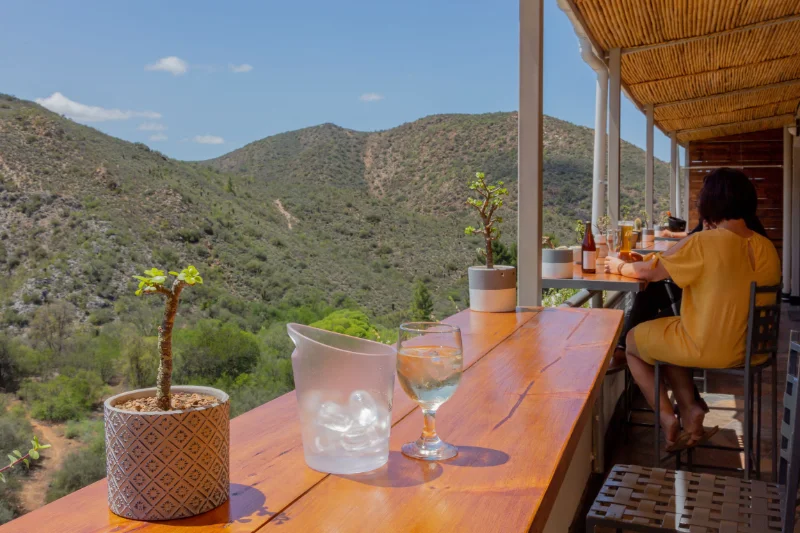
Nestled in the serene hamlet of Herold, Herold Meander offers a secluded escape where peace and tranquillity come naturally. Surrounded by breathtaking scenery, it's the perfect retreat for hiking, mountain biking, and birdwatching, far from the hustle and bustle of city life.
The charming farmhouse features three rooms. Our Large Family Room consists of 3 rooms inside the farmhouse. The rooms consist of 2 bunk beds, 2 single beds, and a double bed and share a bathroom with the rest of the house.
The Family Room comprises two bedrooms with an en-suite bathroom with a shower. Room 1 has two double beds, and room 2 has a single bed.
Our Master Suite is fitted with a double bed and a full en-suite bathroom with a shower and corner bath.
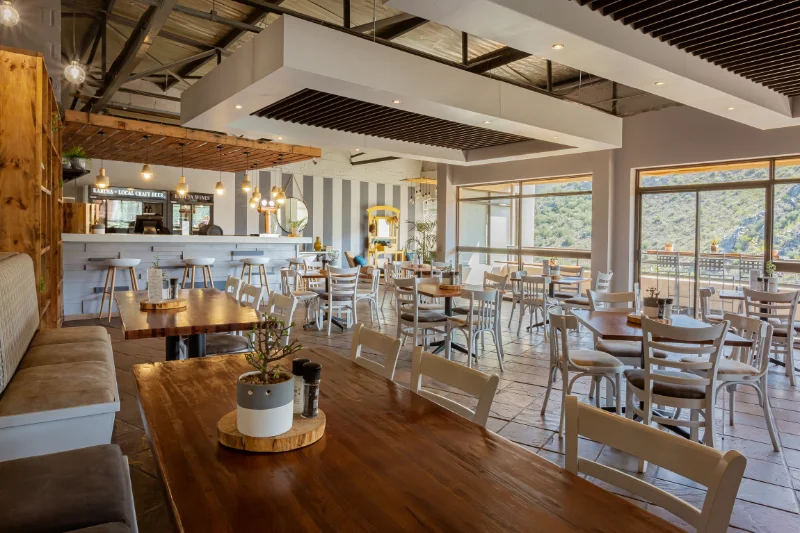
The stoep, complete with patio furniture and braai facilities, is ideal for memorable evenings. Guests have access to the communal kitchen, lounge, and dining room and can enjoy complimentary Wi-Fi, free parking, BBQ facilities, and an on-site coffee shop for meals.
Doornrivier Chapel
The Doornrivier Chapel structure is a typical Cape longhouse probably dating from the late 19th Century and said to have been the house of the miller. Its external walls are over 500mm thick. Most are of random rubble with clay mortar but the south-east end appears to have been a later extension as it is built of sundried brick also with clay mortar.
Pottery House
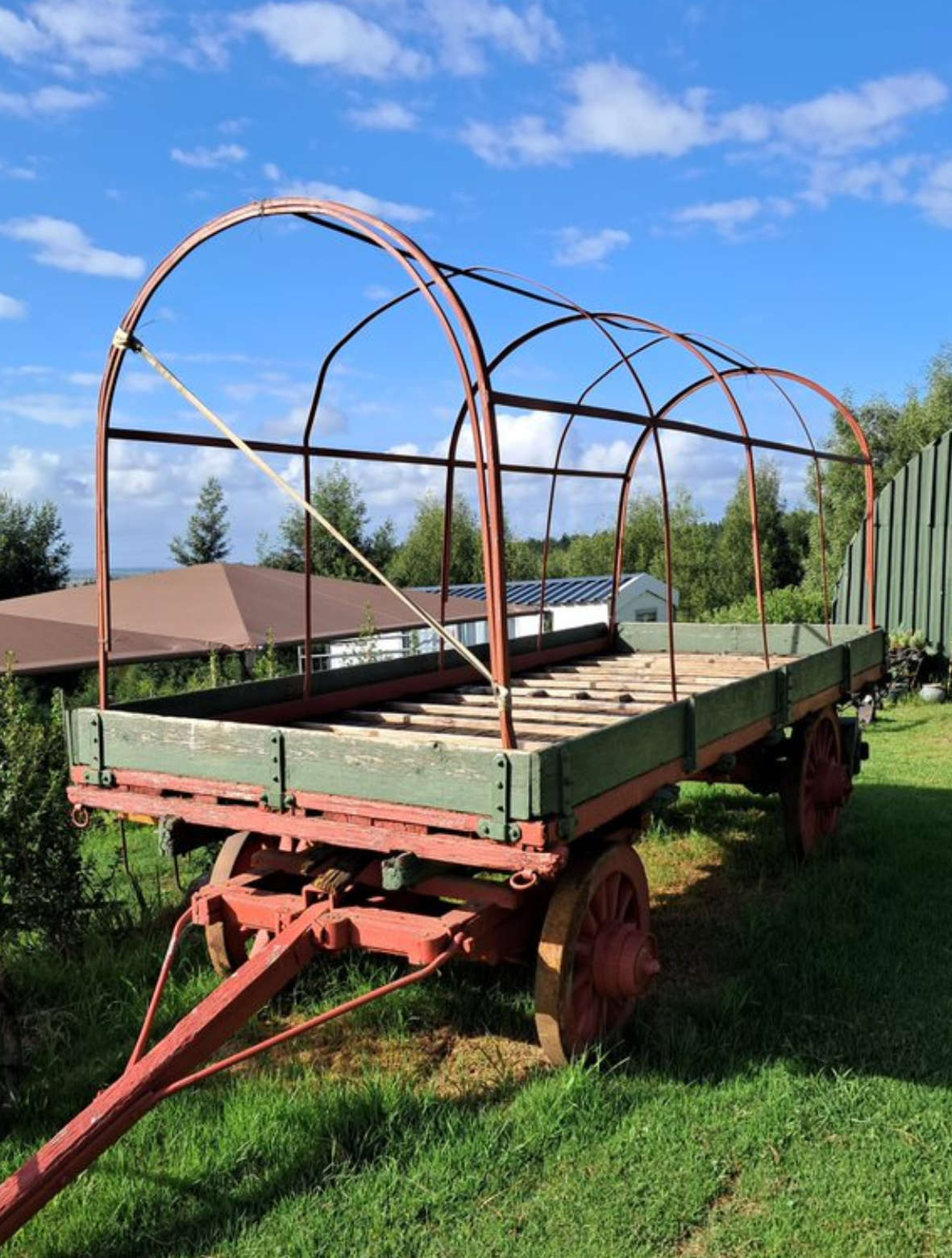
The Pottery House structure is a 19th Century longhouse similar to the School Building (19.6m x 5.5m) also probably originally roofed with thatch. It accommodated a small dwelling at one end and a large storeroom/wagon shed at the other end. Little original joinery has survived including the suspended pine floor. It too has a low-roofed lean-to addition at the back. This was probably added in the late 19th or even early 20th Century.
Voortrekker Memorial Obelisk
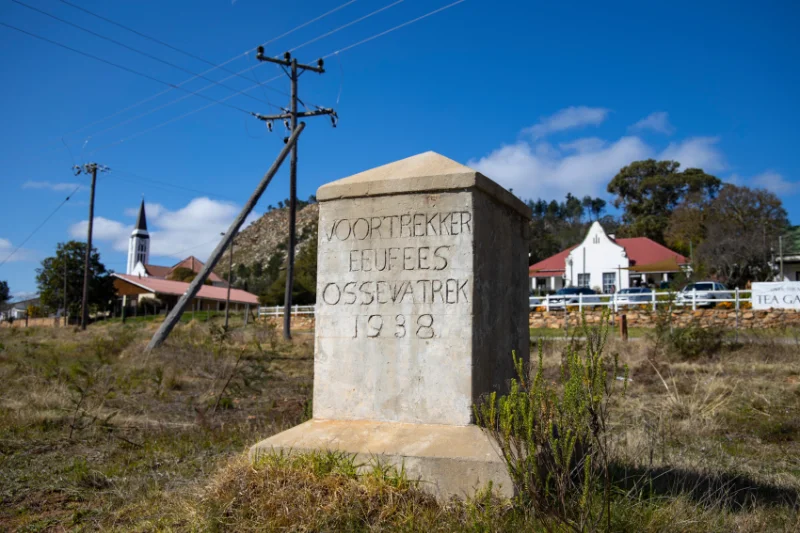
The obelisk at Herold Meander farm was erected in 1938 when the Great Trek Centenary celebrations were held throughout South Africa where monuments were erected and streets were renamed. Almost every country town has a Voortrekker Street dating from the 1938 celebrations.
Leiwater Sloot
The Surveyor General’s plan dated 1947 indicates that the Leiwater Sloot (irrigation furrow) was a feature of the settlement and therefore probably was constructed in the 19th Century when the settlement was at its peak. It is still in use as it feeds the main irrigation dam with water from the Afguns River via a section of the Montagu Pass. The main irrigation dam then drains into the Doorn River. The furrow is partly lined with stone but is mostly of earth. As an integral element of part of the Montagu Pass it is of Provincial Heritage Site significance.
Graveyard
A small walled enclosure with a single entrance. One of the gate pillars has an engraving 1924 in the plastered cap. It appears to have been a family burial site.
Honeybush Tea
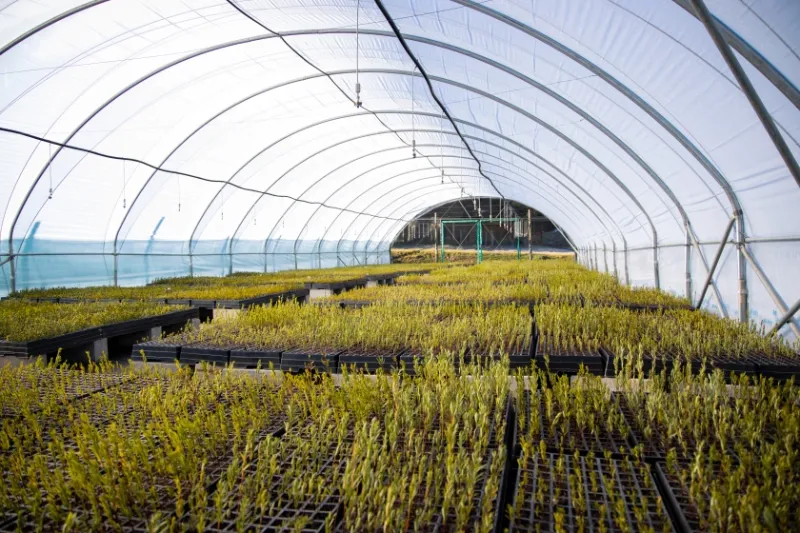
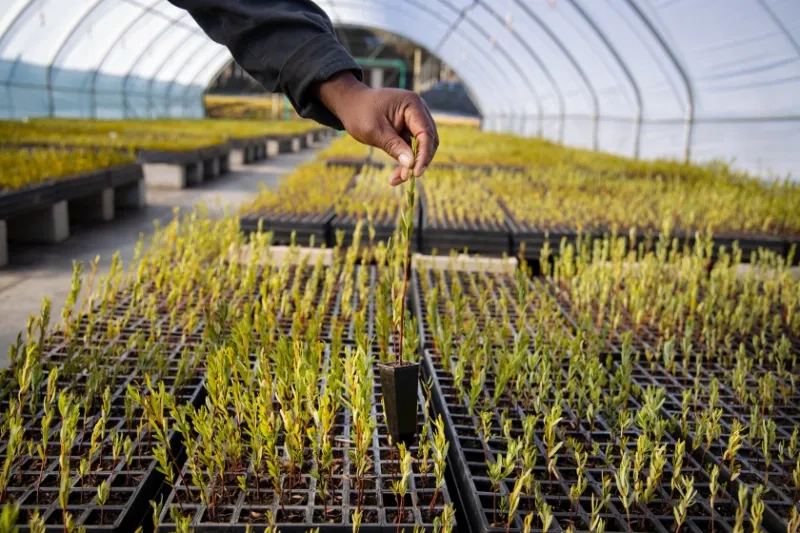
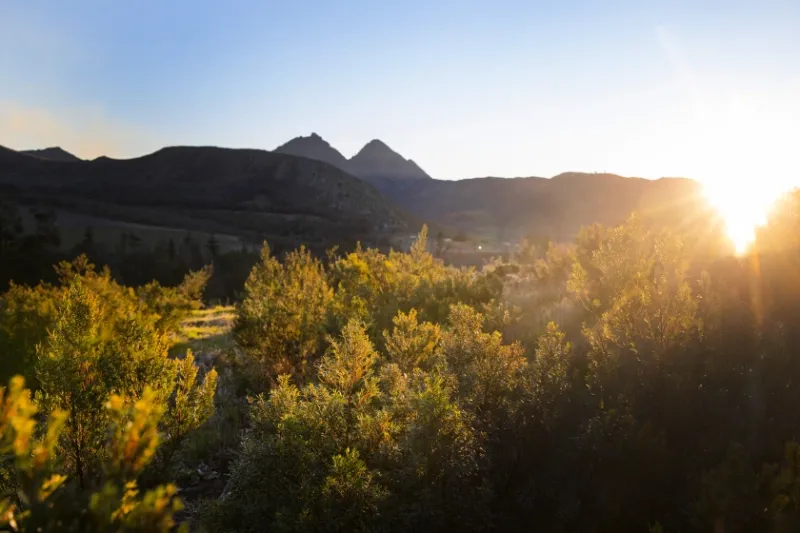
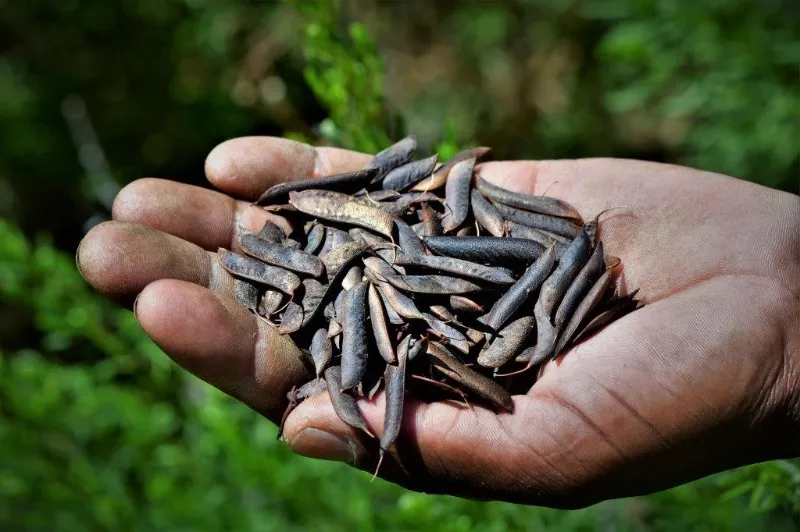
Honeybush is indigenous and proudly South African that naturally grows on southern slope farmlands and mountains in the Garden Route, Tsitsikamma and Overberg. It is a natural ingredient emanating from the rich biodiversity of our Cape Floral Kingdom. Honeybush tea is organically cultivated on the Herold Meander farm situated in the Garden Route of South Africa.
The indigenous Khoikhoi used the honeybush shrub to make a medicinal tea with a pleasant, mildly sweet taste and aroma. The tea formed part of their traditional healing systems, a practice that remains applicable in modern times. Honeybush is a herbal tea that is caffeine-free with very low tannin levels and high antioxidants. The harvested honeybush is shredded where after the leaves and stalks are fermented and dried into a dark orange-brown colour.

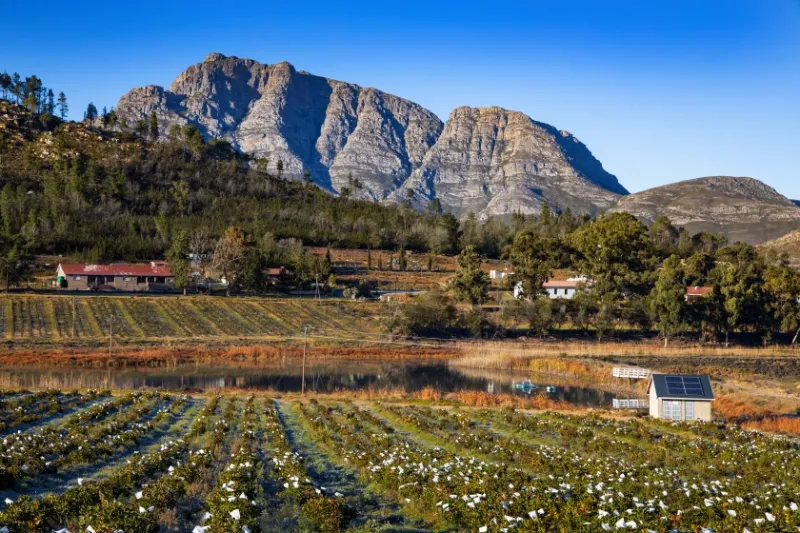
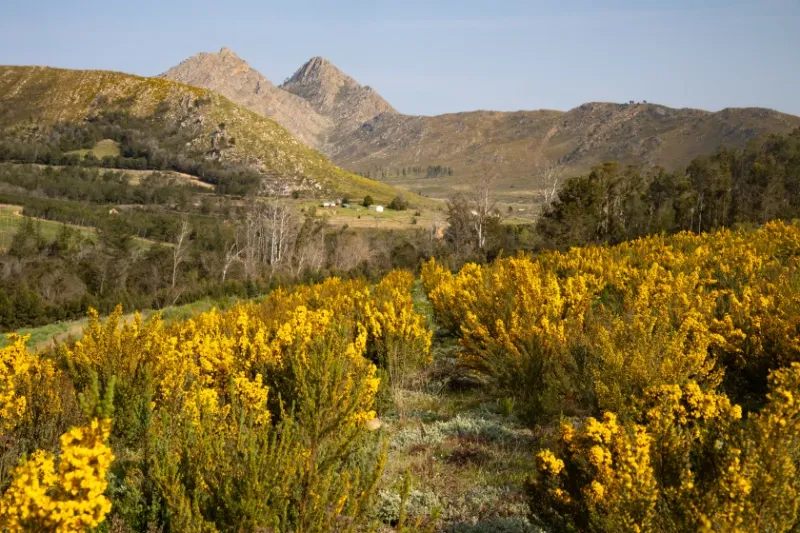

Proteas at Herold Meander
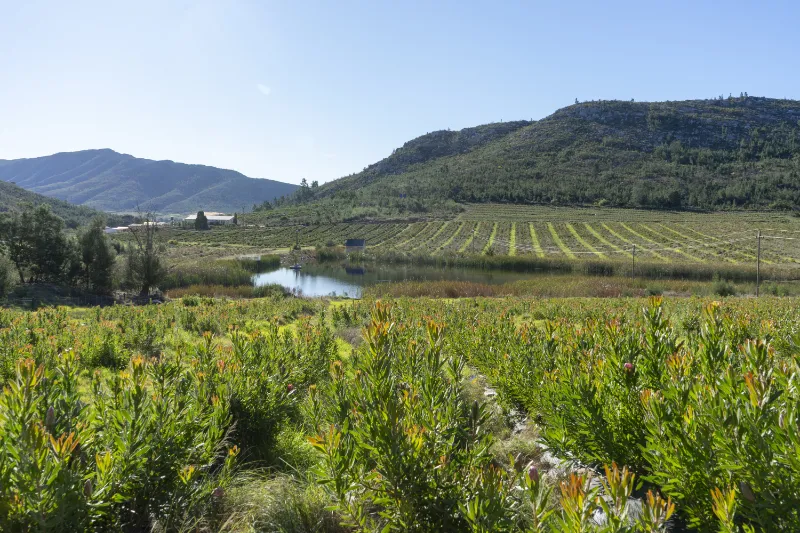
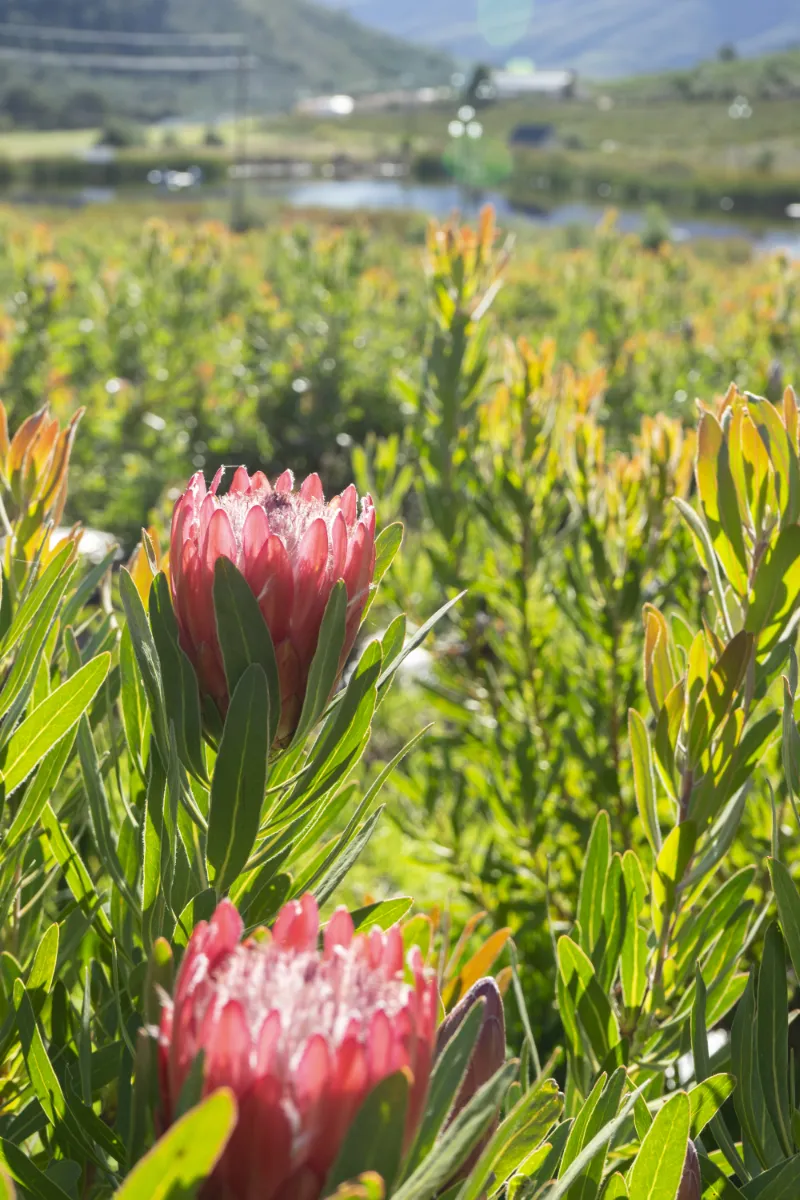
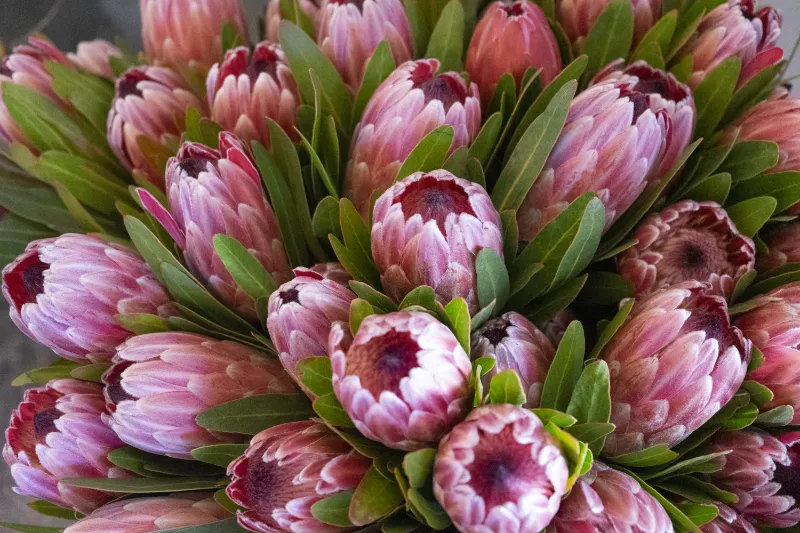
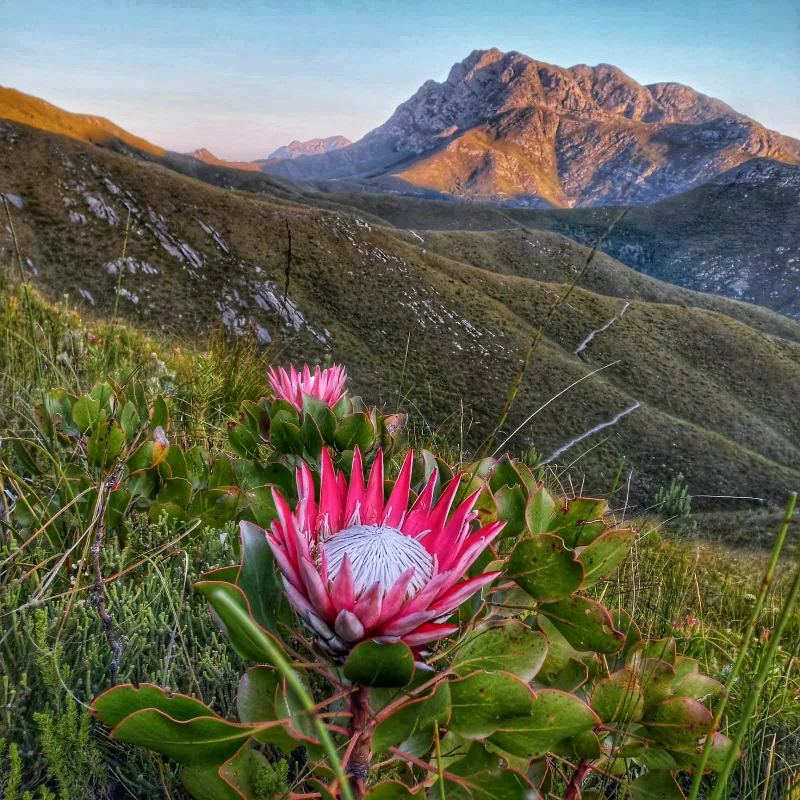
At Herold Meander, proteas form an integral part of the farm’s landscape and identity. Grown in the fresh mountain air and unique fynbos conditions of the Outeniqua region, these iconic South African blooms are carefully cultivated for their beauty, resilience, and striking variety. Our selection includes Sylvia, Pink Ice, Pink Kings, Sharonette, Carnivals, and Magenta—each offering its own distinctive colour, texture, and character. Whether admired in the fields or enjoyed as cut flowers, our proteas reflect the natural richness of the land and our commitment to sustainable, nature-driven farming.

Montagu Pass
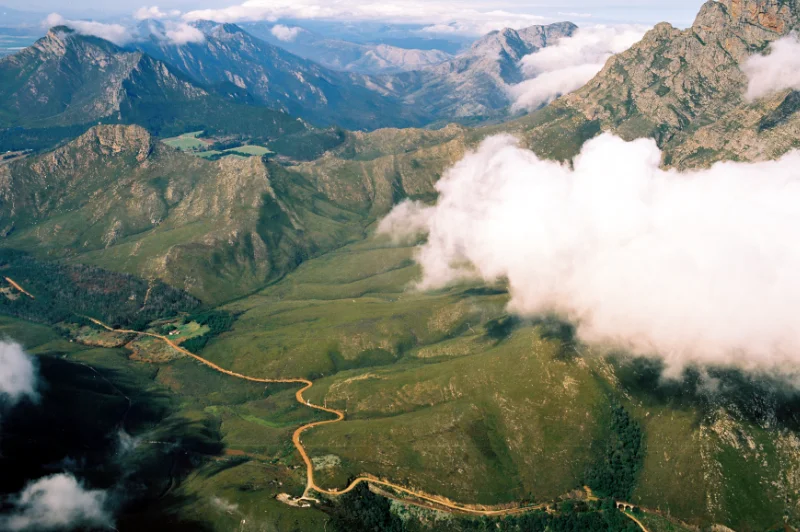
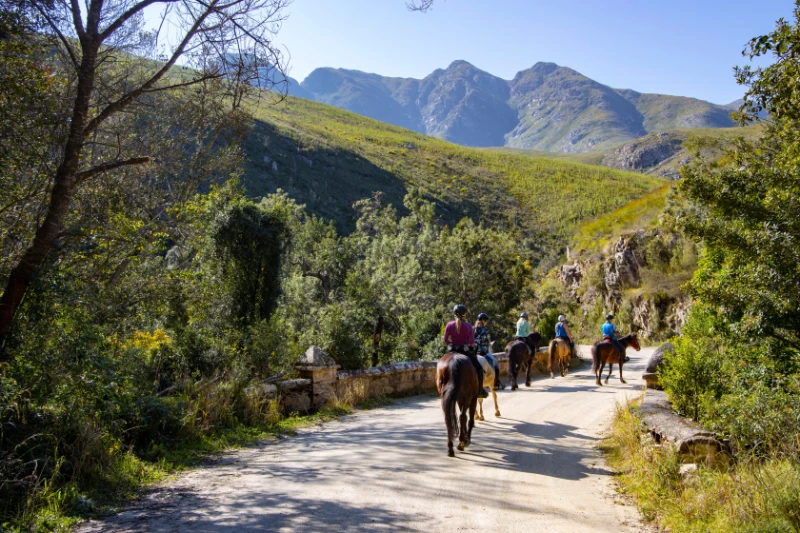
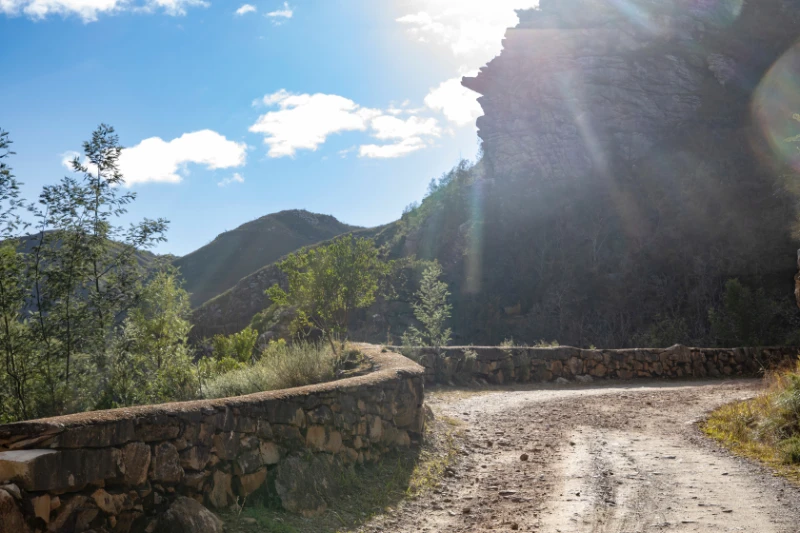
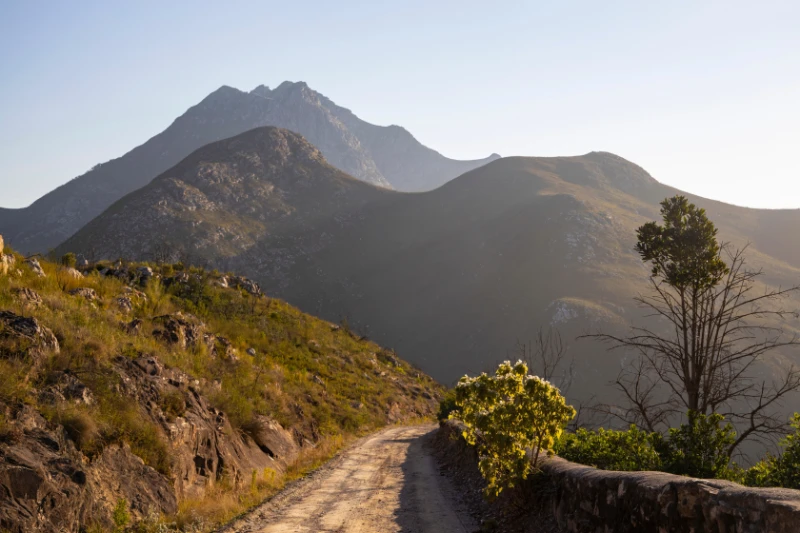
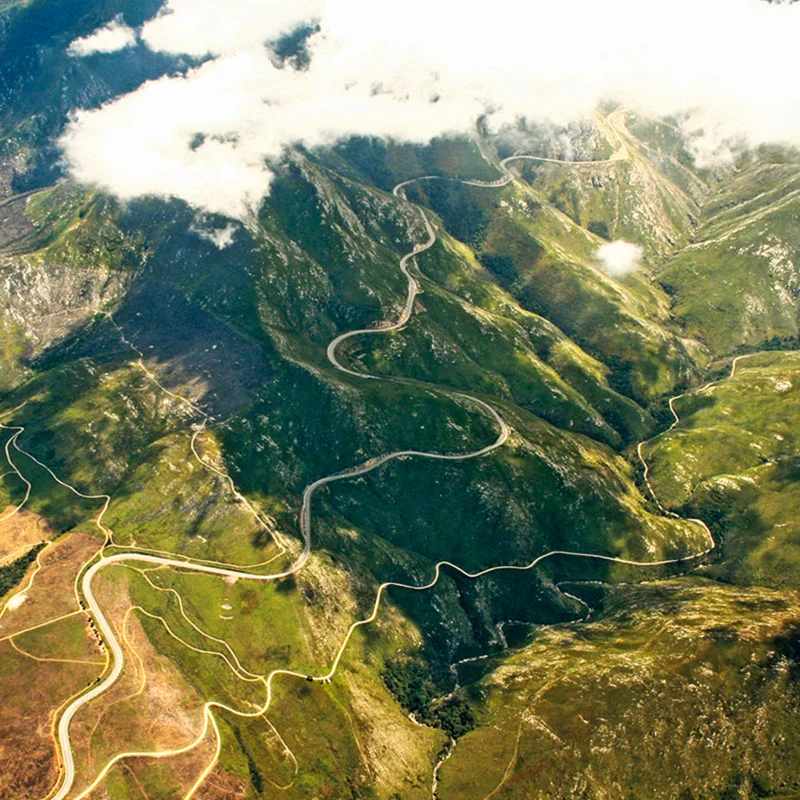
Winding through some of the country’s most dramatic mountain scenery along the Route 62 corridor, the historic Montagu Pass cuts through the Outeniqua Mountains between George and Herold. In the early 1800s, crossing these mountains was a difficult and often dangerous journey, with few reliable routes or bridges across the rivers.
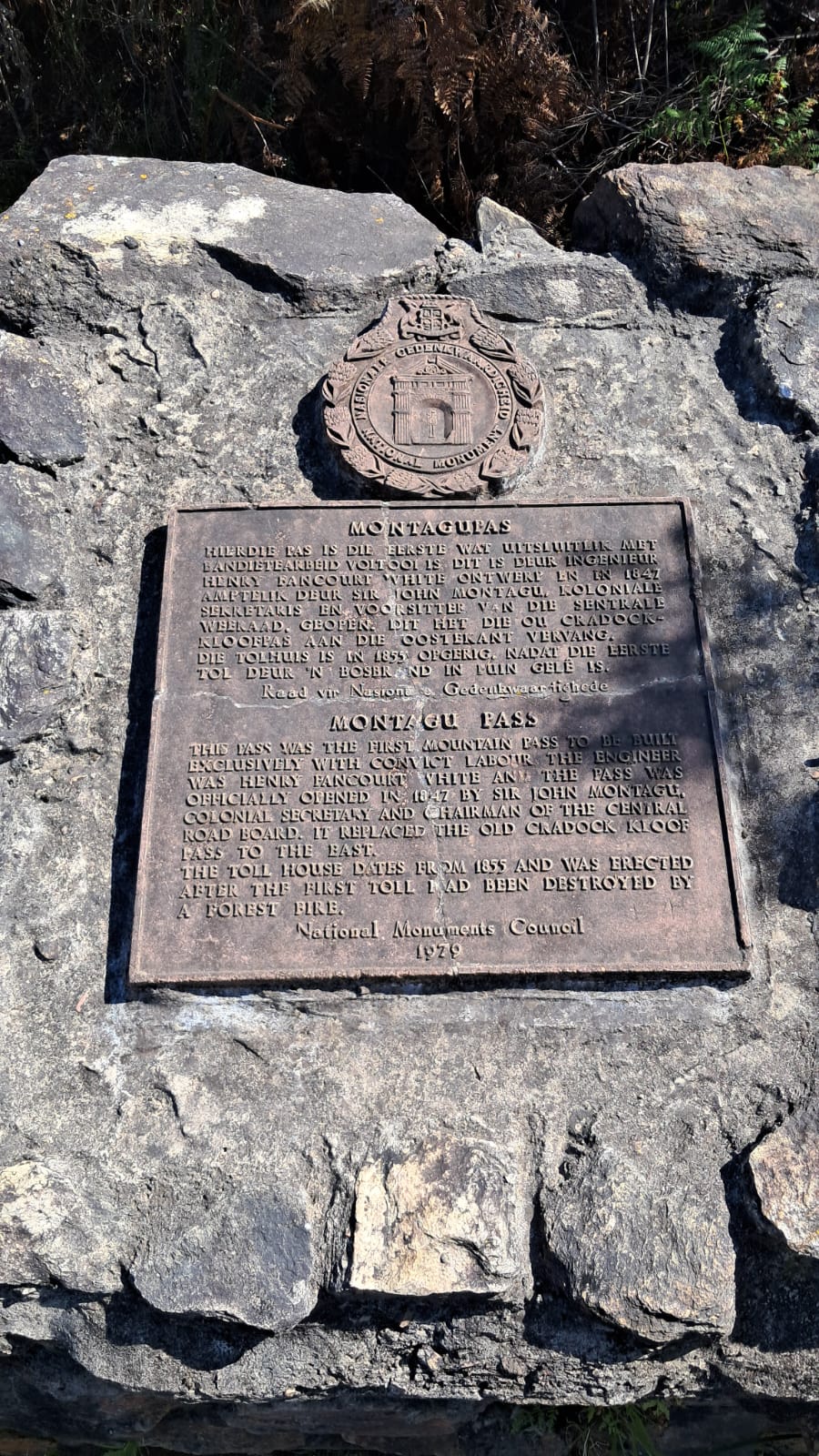
In 1843, Major Charles Michell, Surveyor General of the Cape, proposed the construction of a proper mountain road using convict labour. This vision led to the creation of the Montagu Pass, engineered by Henry Fancourt White, an experienced road engineer from Australia. His legacy is still visible today in nearby place names such as Fancourt—named after his mother’s surname—and Blanco, originally known as White’s Village before being renamed using the Latin word for “white.”
Construction of the pass began in earnest with convict labour, with approximately 250 convicts working at any given time. These men were trained in stone dressing and dry-stone wall construction, carefully shaping and placing each stone by hand to form the enduring retaining walls that still line the pass today.
Completed in 1848, the Montagu Pass transformed travel across the Outeniqua Mountains. Although the journey remained demanding, it made it possible for a fully loaded ox-wagon to cross the mountains in a single day—revolutionising transport, trade, and connection between the coast and the interior.
Today, the Montagu Pass stands as a remarkable and tangible piece of South Africa’s transport heritage. It remains a route to be experienced, appreciated, and preserved—an enduring link between history, landscape, and the communities it continues to connect.
Outeniqua Mountains
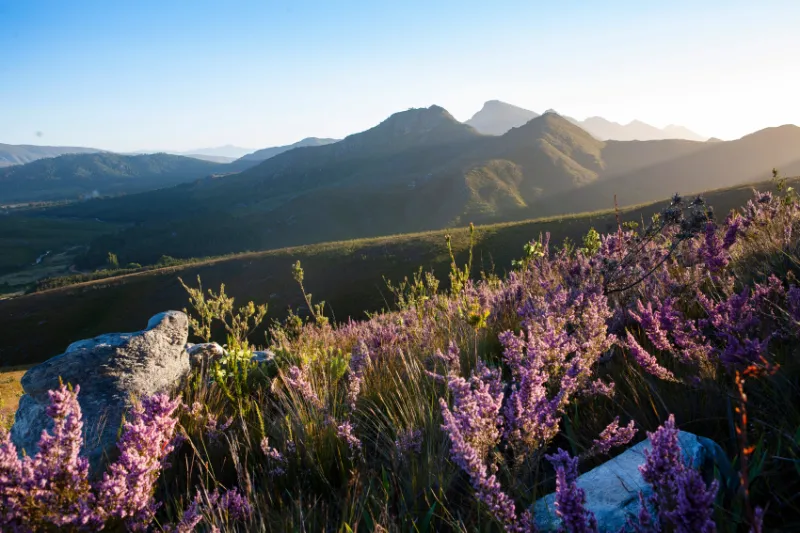
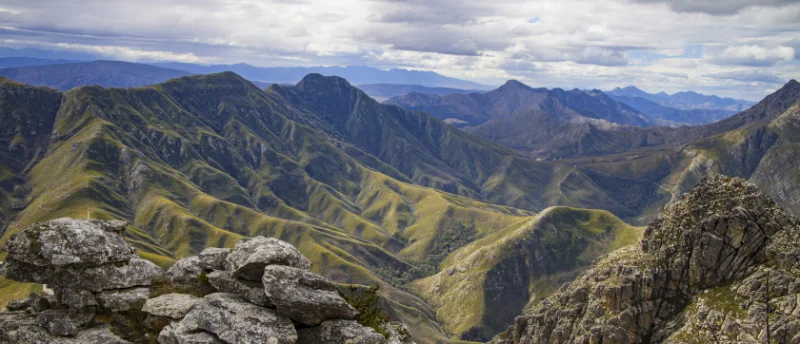
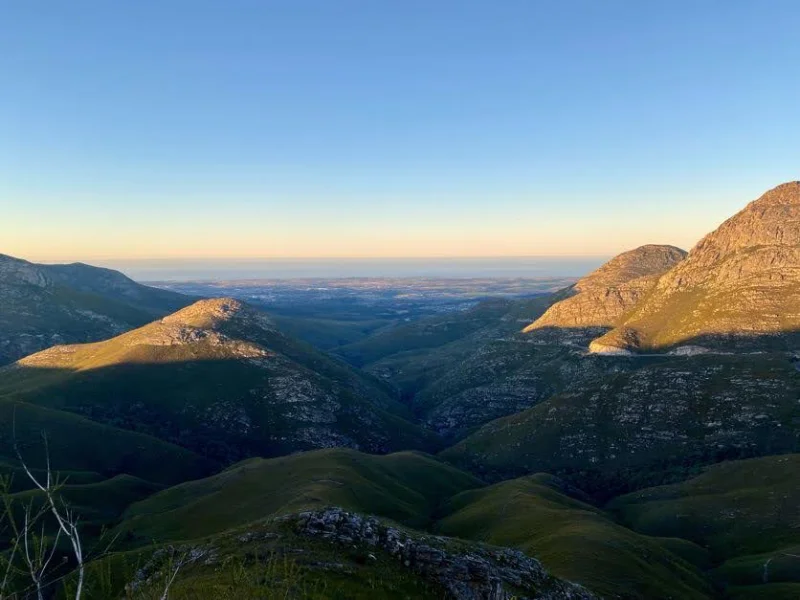
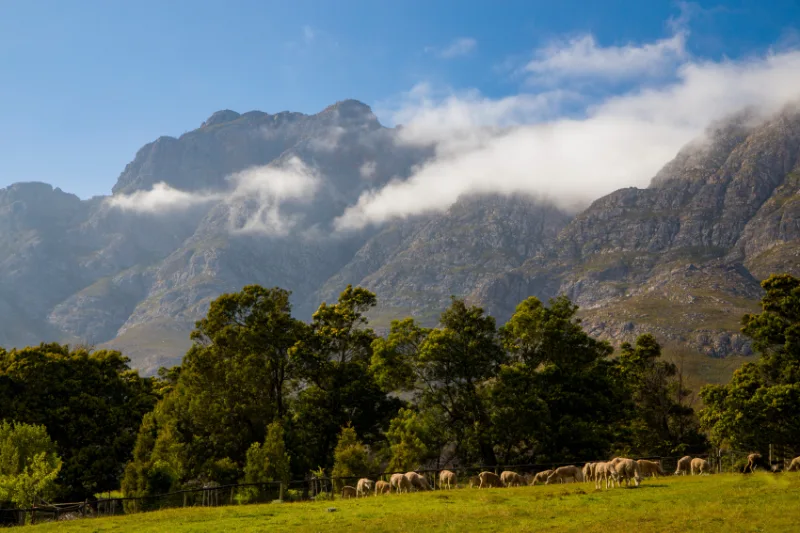
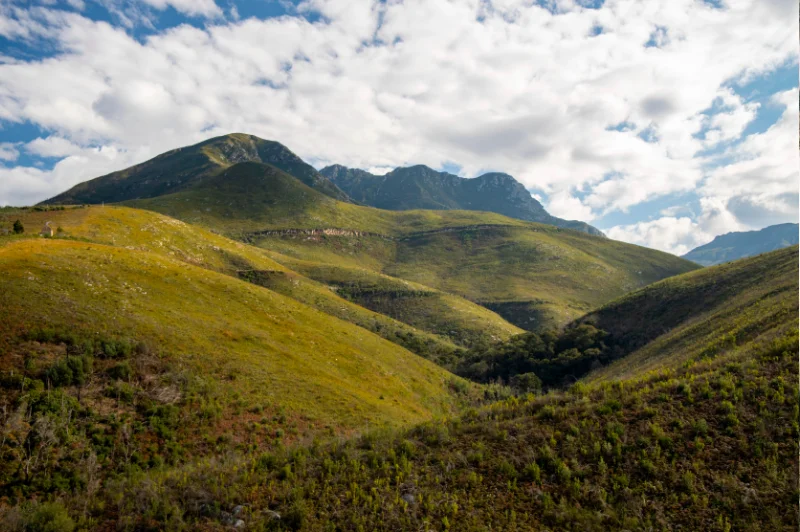
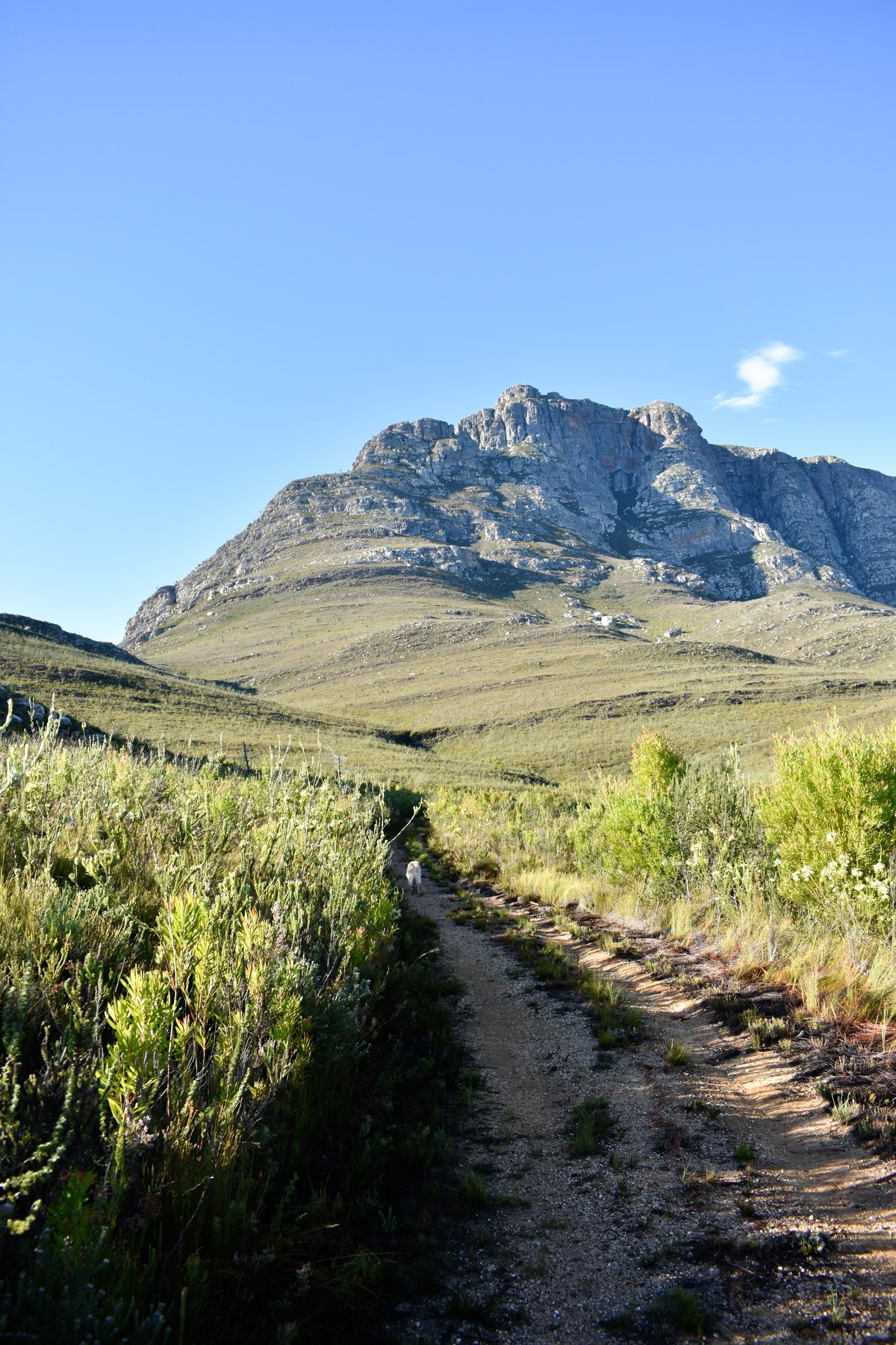
The Outeniqua Mountains form a dramatic natural divide between the lush Garden Route coastline and the semi-arid interior of the Karoo. Rising to over 1,500 metres, these ancient peaks have long shaped movement, settlement, and life in the region, while offering a landscape of exceptional natural beauty and biodiversity.
The name “Outeniqua,” attributed to the Khoisan people, is often interpreted as “land of milk and honey,” reflecting the richness of the natural environment and the abundance of resources once found here.
During the 18th and 19th centuries, European settlers carved a series of historic mountain passes through these rugged ranges, including the renowned Montagu Pass and Outeniqua Pass. These routes physically and economically connected the coast to the interior and remain important transport corridors today, while also standing as enduring reminders of early engineering achievement and human perseverance.
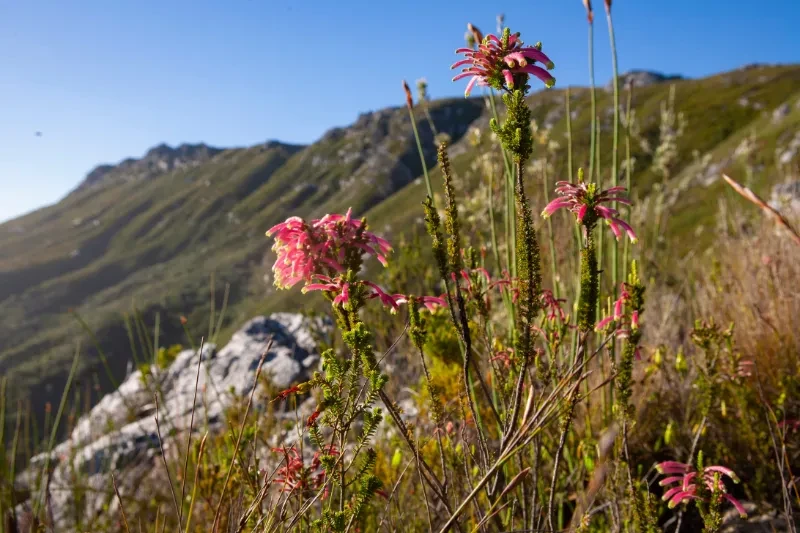
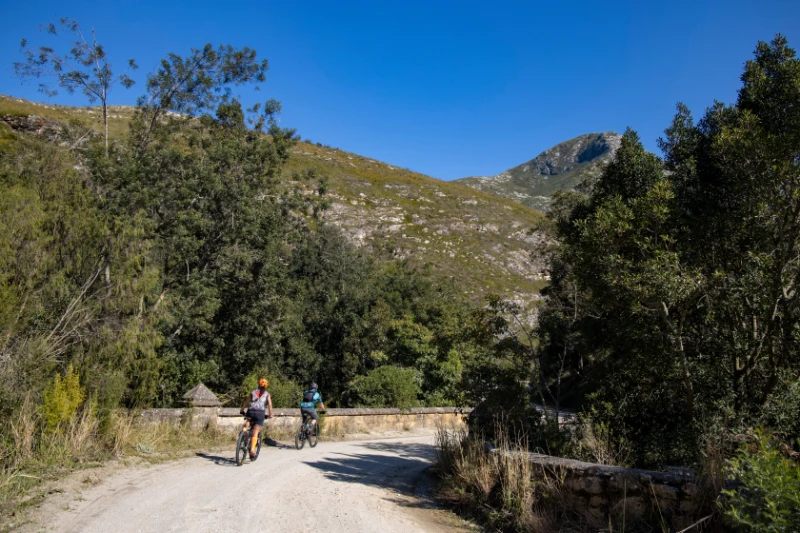
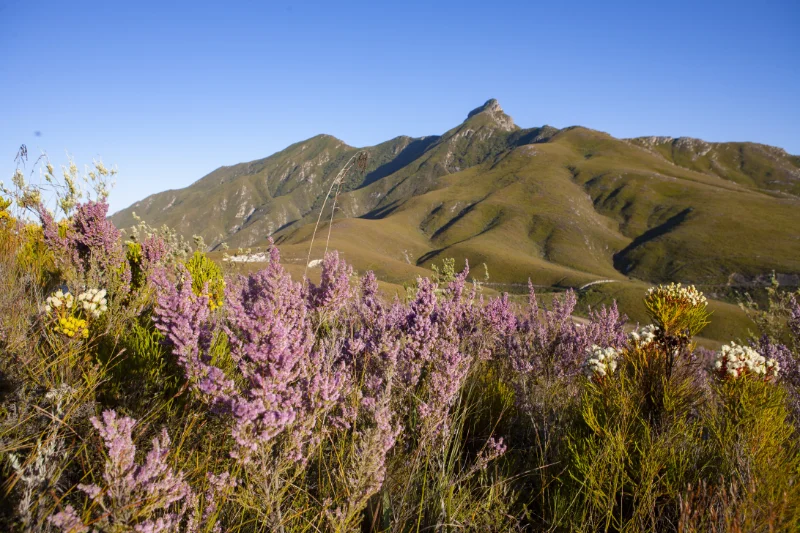
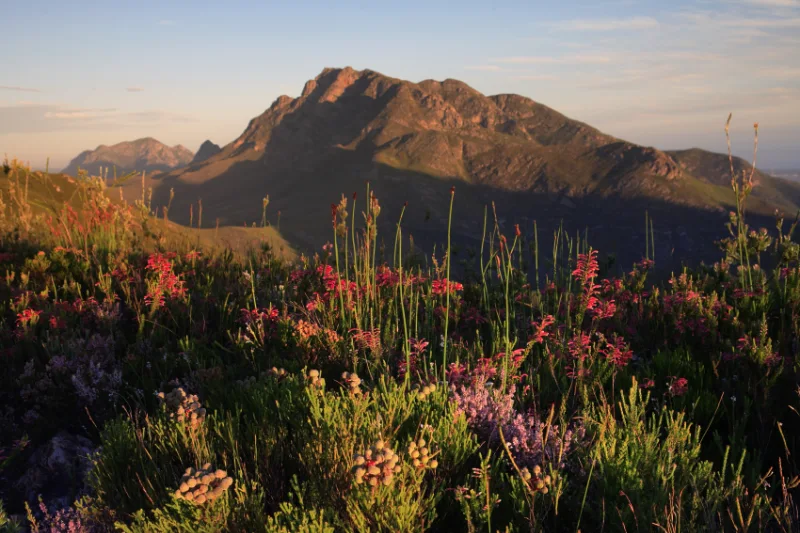
Ecologically, the mountains are part of the Cape Floral Kingdom and are home to unique fynbos vegetation, including iconic protea species that colour the slopes in seasonal bursts of pink, red, and gold. Today, the Outeniqua Mountains continue to draw hikers, cyclists, and nature lovers who come to experience their trails, panoramic views, and quiet sense of wilderness—offering both adventure and a deep connection to nature.
Outeniqua Powervan
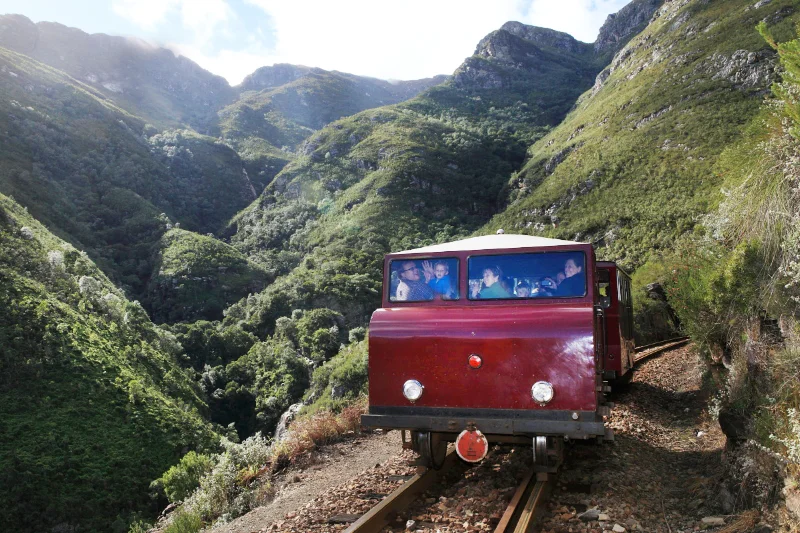
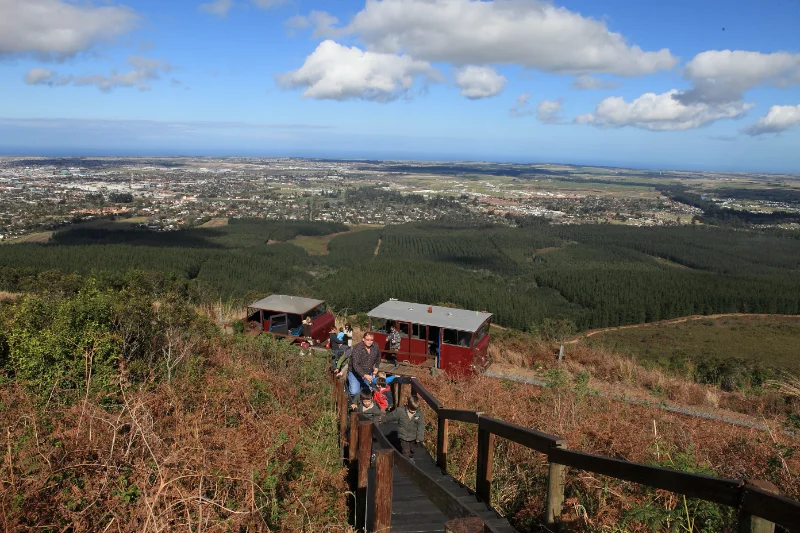
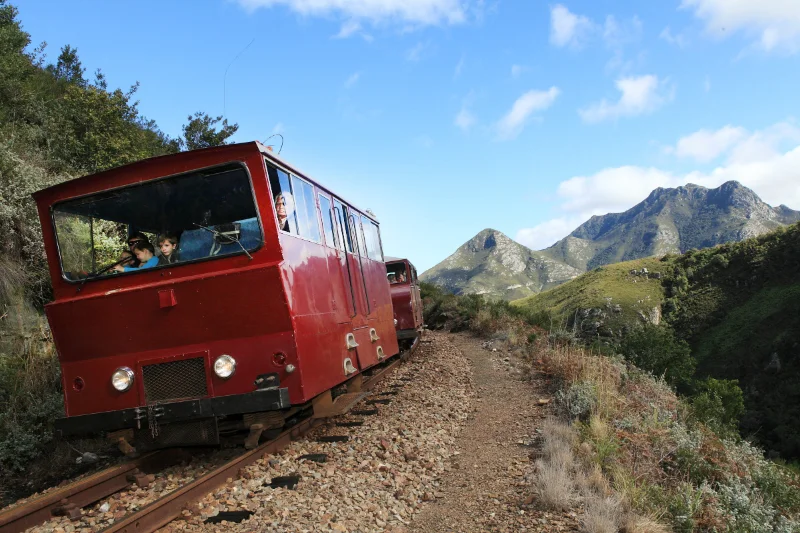
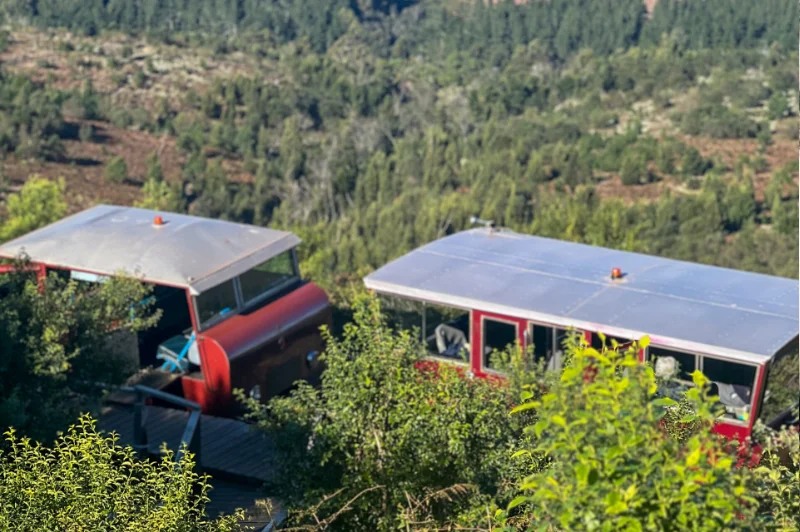
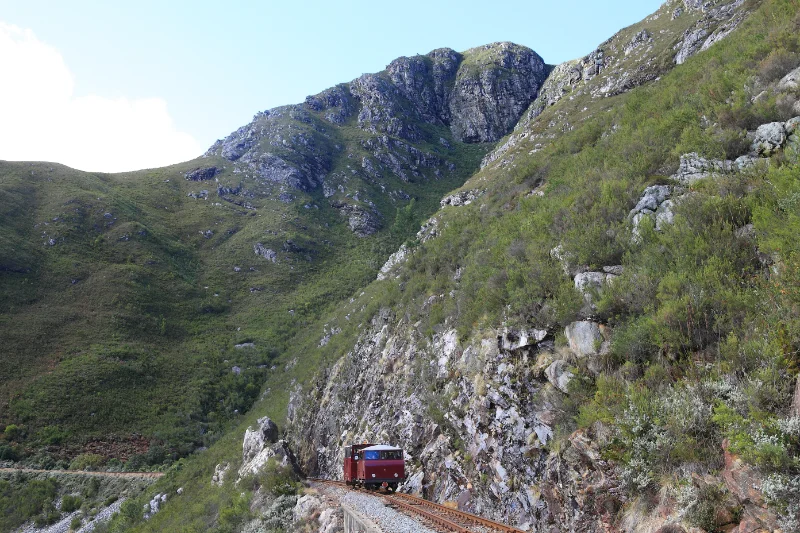
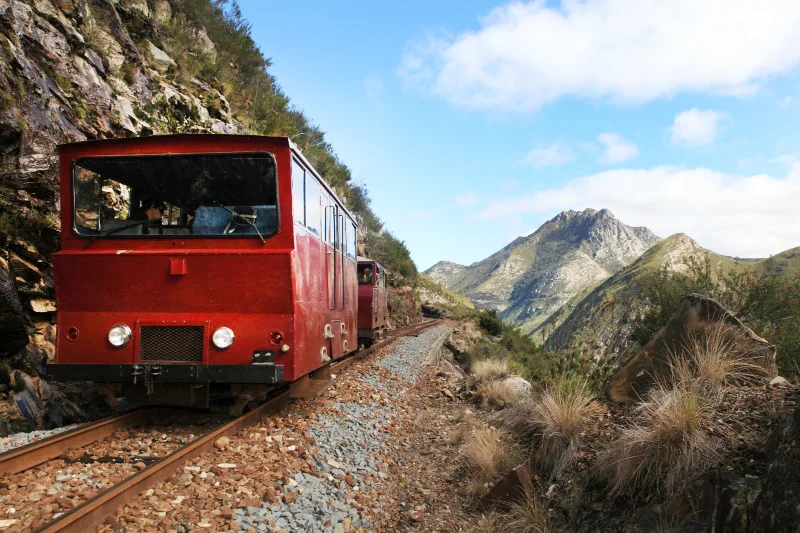
Step back in time aboard the Outeniqua Power Van, a unique rail experience perfect for visitors of all ages.
Travel in an open vintage rail inspection trolley as it winds its way up the Outeniqua Mountains, offering a relaxed and memorable journey through one of the region’s most scenic landscapes. From your seat, enjoy sweeping views of dramatic mountain slopes, lush forests, cascading waterfalls, and vibrant fynbos.
This nostalgic ride offers a fascinating glimpse into the area’s rich rail heritage and is a must-do for train enthusiasts and nature lovers alike.
The Power Van departs daily from the Transnet Transport Museum—and don’t forget to pack a picnic to enjoy along the way.
Cradock Peak
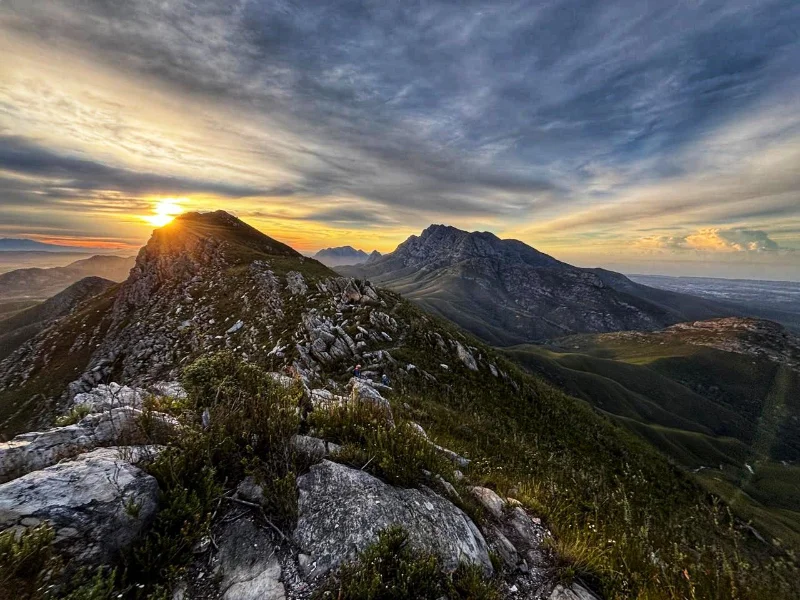
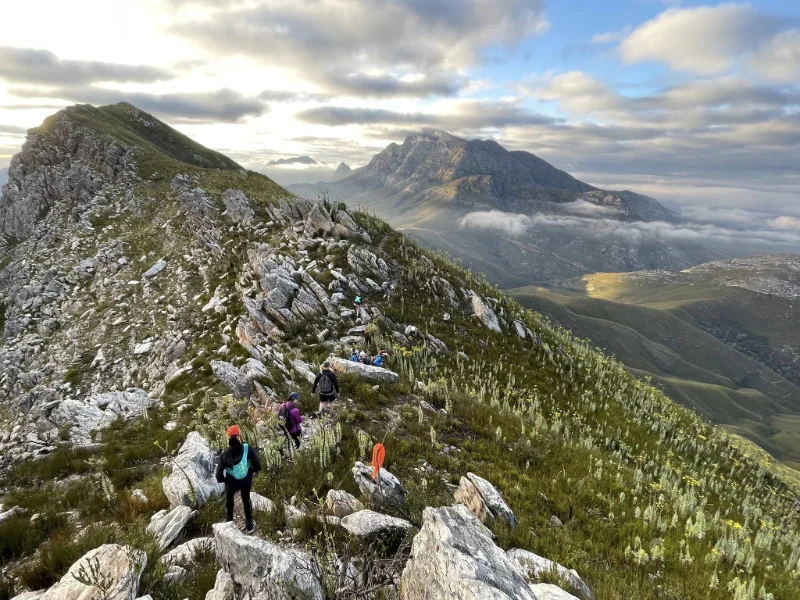
Standing at 1,578m above sea level, Cradock Peak is the highest point in the Outeniqua Mountain range—offering a rewarding challenge for experienced hikers and nature enthusiasts.
The trail is a strenuous out-and-back route starting at the CapeNature Witfontein Forestry Station. It begins along forest roads through pine plantations before transitioning into a more rugged footpath at the base of the mountains. From here, the climb becomes more demanding as you cross a stream, pass over the railway line, and ascend steadily into the foothills.
Water is limited along the route, so it’s important to come well prepared—the stream near the start is the only reliable source. As you reach the ridge, known as “the Saddle,” you’ll encounter a split in the path: turn left for Cradock Peak, with the summit approximately 2km further on.
The final stretch includes a rocky scramble near a small weather station. This section can be slippery and requires careful footing, but the effort is well worth it.
On a clear day, hikers are rewarded with breathtaking panoramic views stretching across the Garden Route and towards the Swartberg Mountains—a truly unforgettable mountain experience.
The Old Toll House
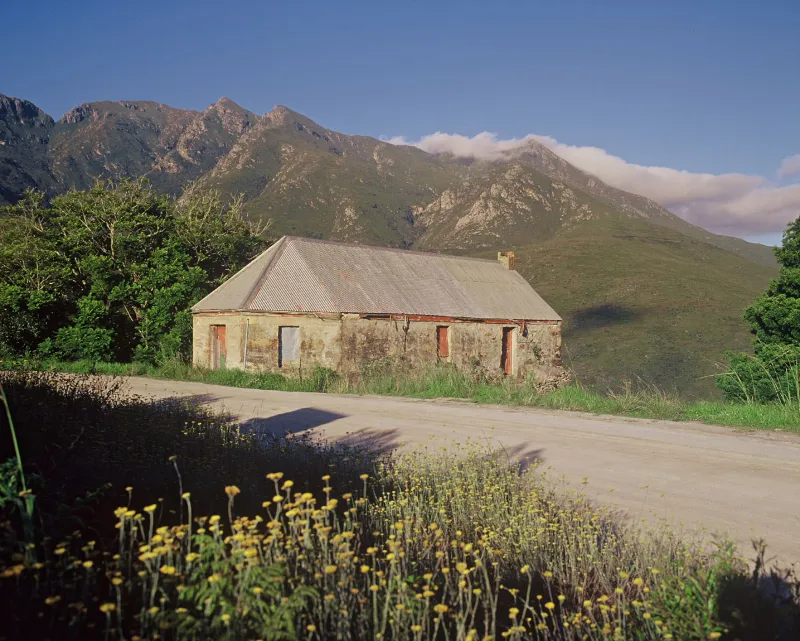
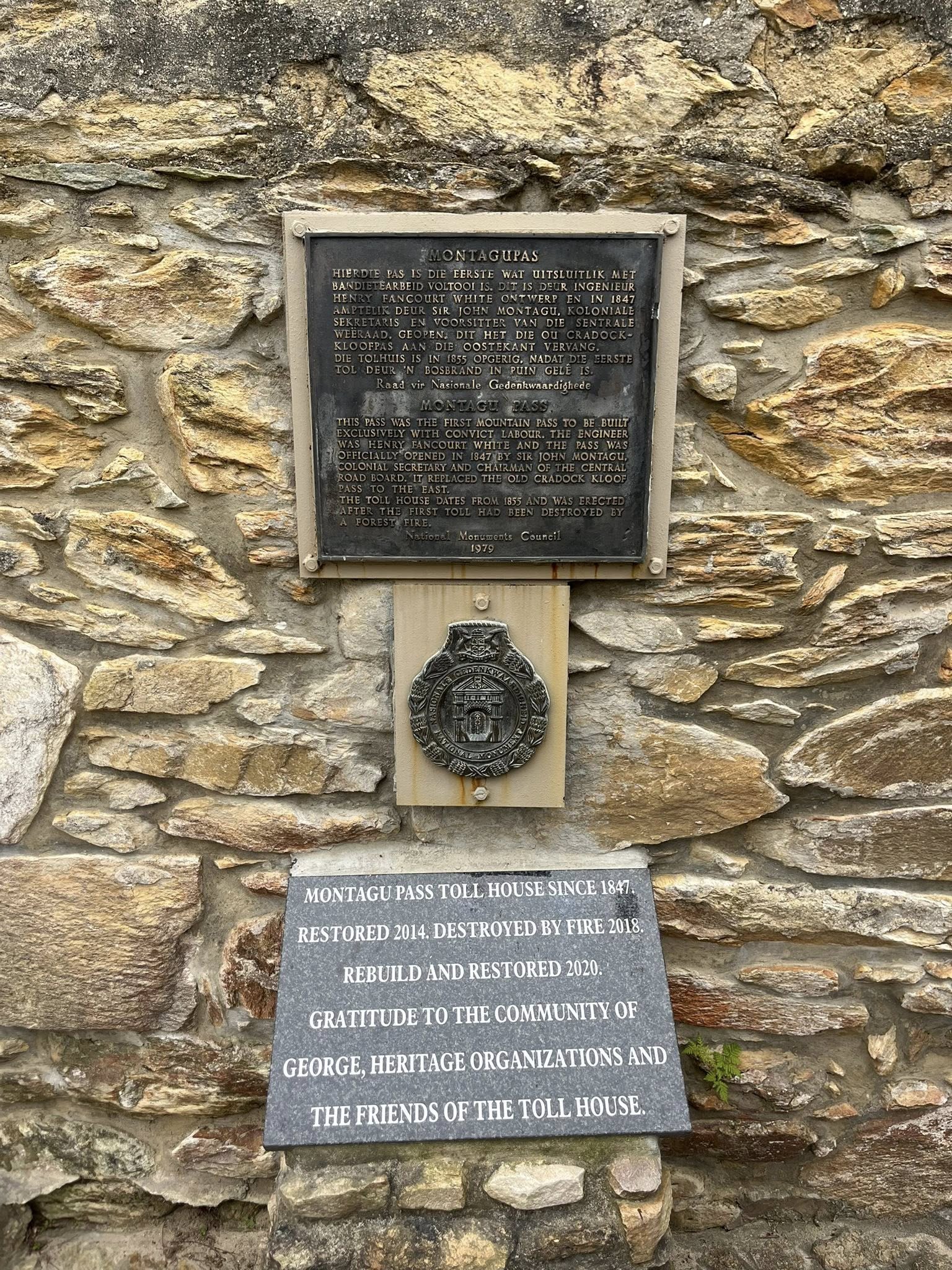
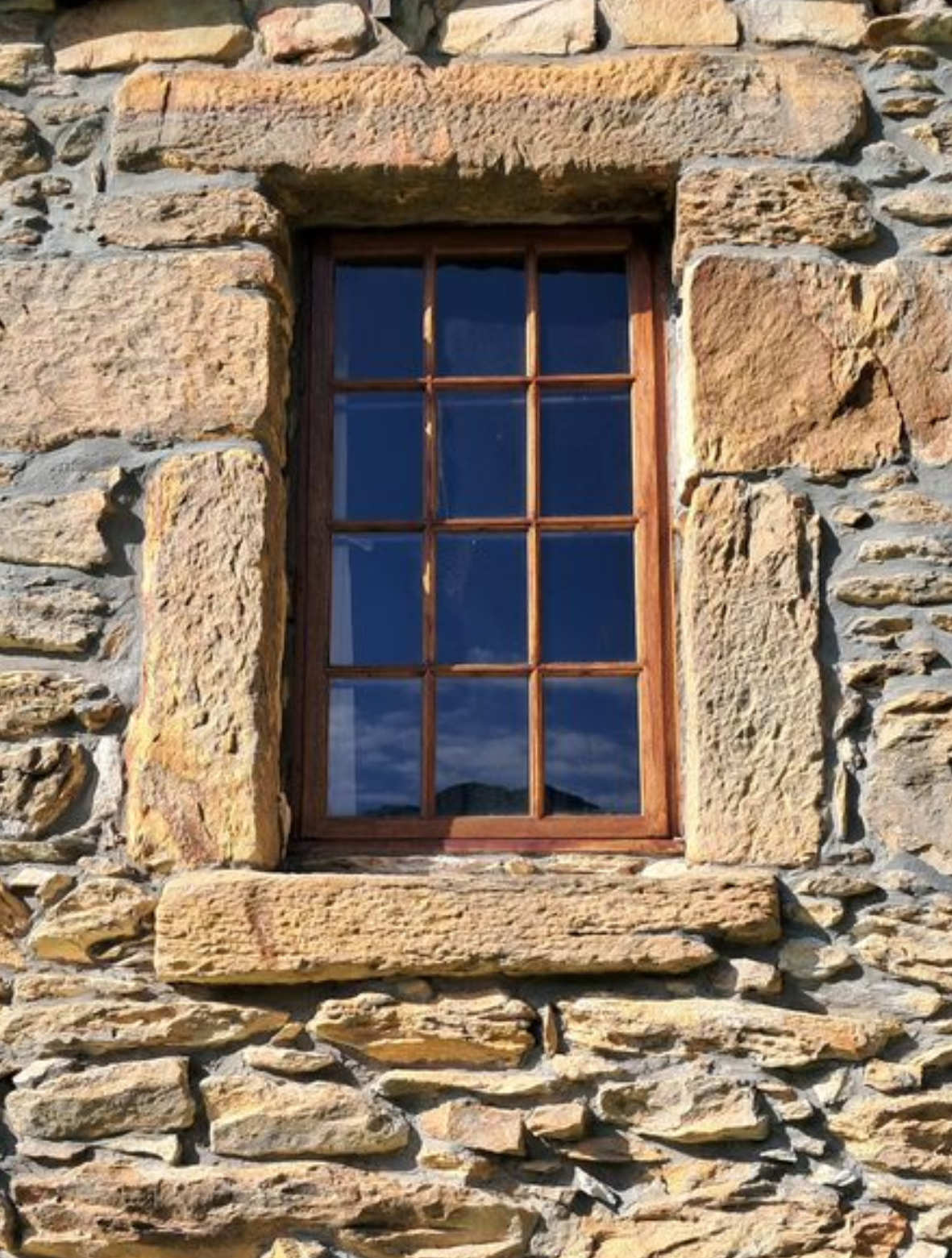
The Old Toll House was built alongside the construction of the historic Montagu Pass in the mid-1800s. Constructed from indigenous sandstone and originally topped with a thatched roof, this simple yet enduring structure now stands as a proclaimed heritage site.
In its early days, the toll system reflected the rhythm of travel across the mountains: two pence per wheel and one penny per pulling animal. Horses, oxen, cows, and mules were charged two pence, while smaller livestock such as sheep, goats, and pigs were charged half a penny.
The first toll keeper was John Kirk Smith, born in Nottingham, England in 1818, who played a key role in managing this important mountain route.
Today, the Old Toll House is recognised as a National Monument and is lovingly maintained by a dedicated group known as the “Friends of the Toll House.” Remarkably, this historic building has endured the passage of time—surviving two World Wars, the Industrial Revolution, multiple burglaries, and even the devastating 2018 George wildfires—standing as a lasting symbol of resilience and heritage in the region.
George Trails
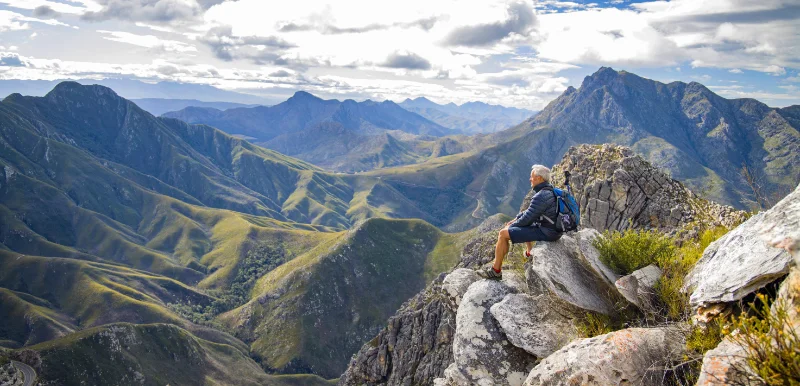
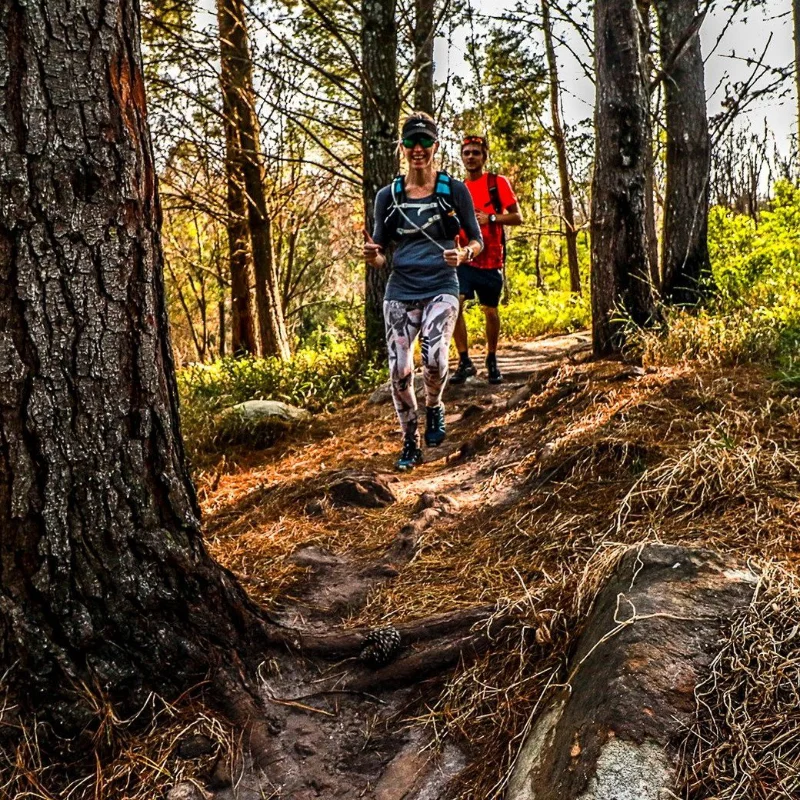
George Trails is South Africa’s largest and most diverse network of mountain biking, trail running, hiking, and outdoor adventure routes.
Set in the George region, it offers an incredible mix of landscapes—from indigenous forest and coastal fynbos to mountain passes, farmland, and semi-Karoo terrain—all within a short distance of each other.
The area caters to all levels of outdoor enthusiasts, from relaxed scenic walks to challenging technical trails, making it an ideal destination for both beginners and experienced adventurers.
Supported by a strong local community and excellent visitor infrastructure, George Trails combines world-class outdoor experiences with easy access, comfort, and year-round adventure opportunities.

NG Church Herold
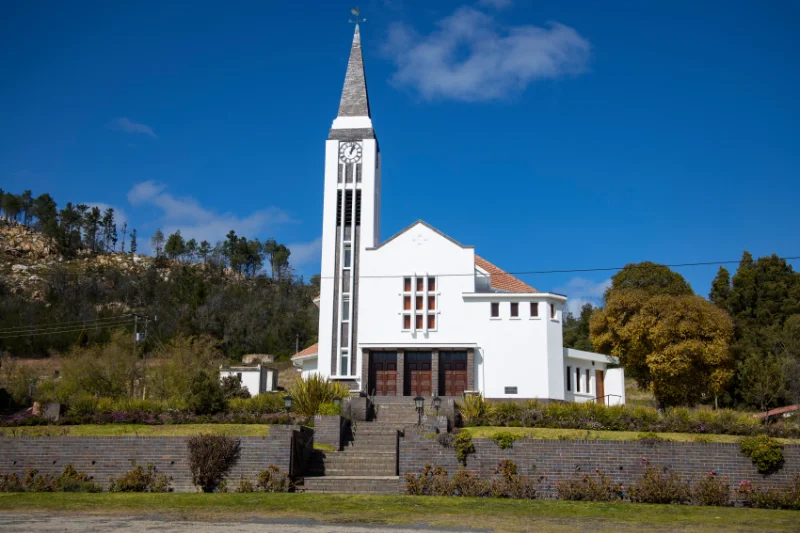
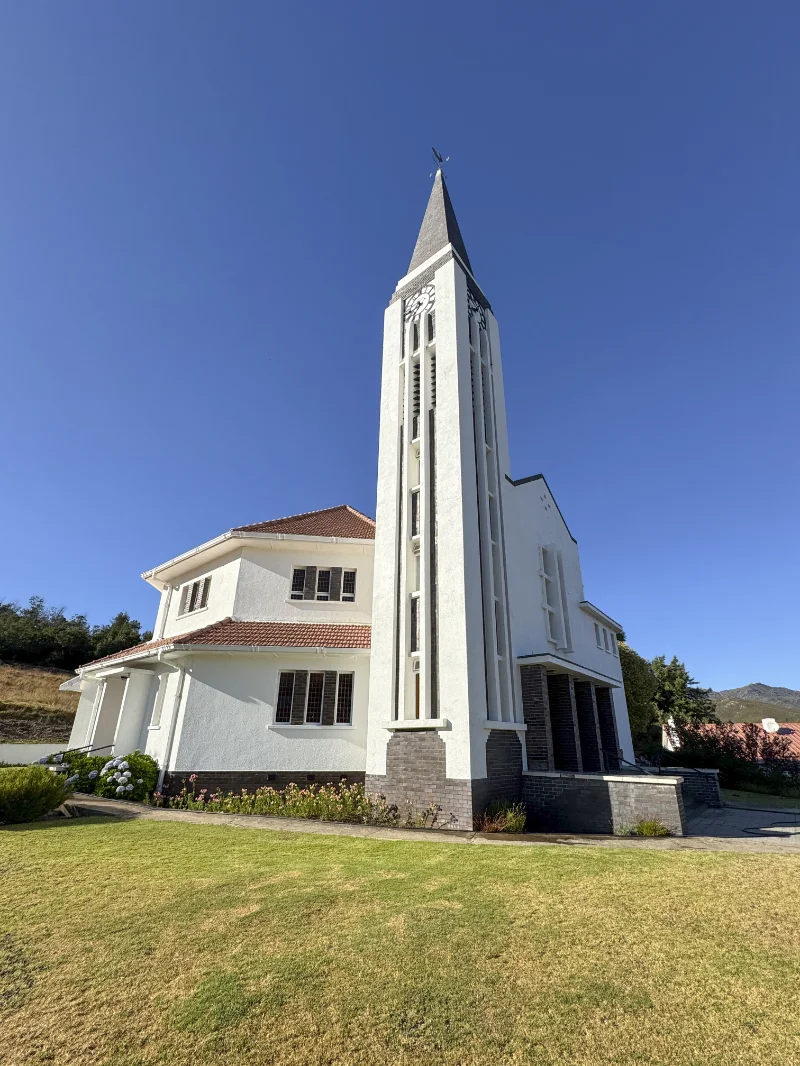
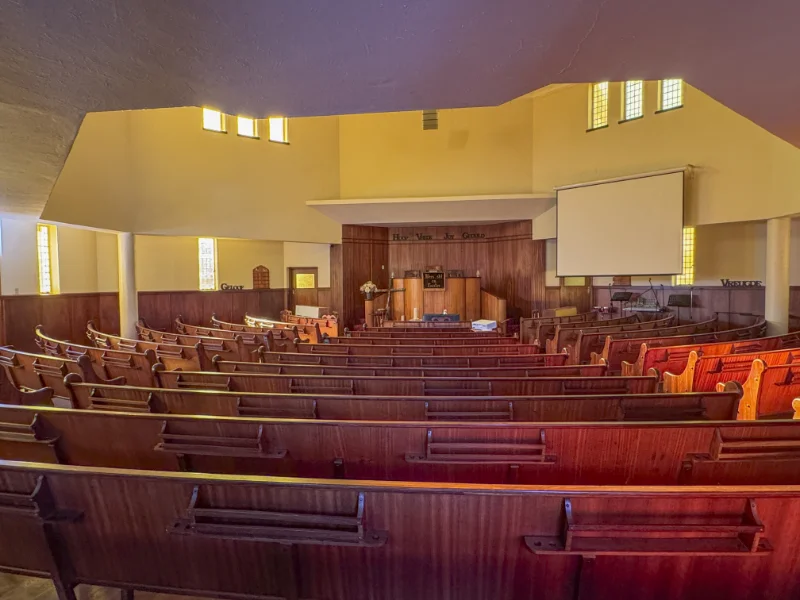
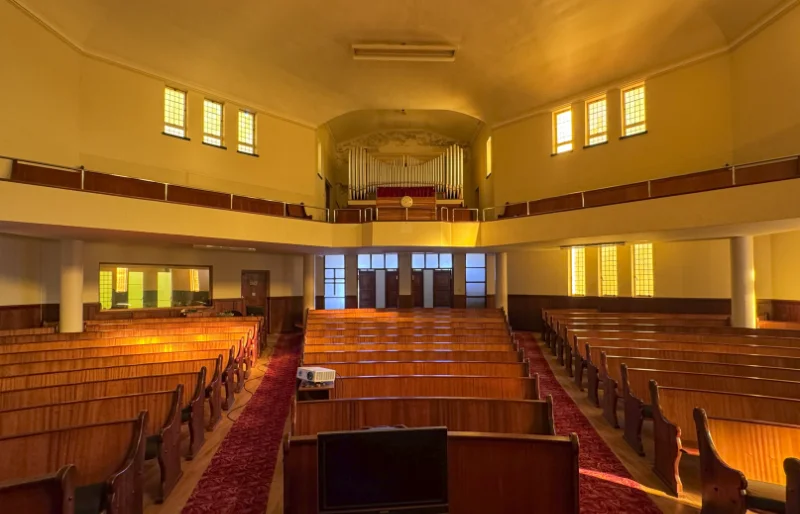
The Dutch Reformed Church (NG Kerk) in Herold was established in 1910 after being separated from the congregations of George and Oudtshoorn. The church is part of the George Ring within the Nederduitse Gereformeerde Kerk and has played an important role in the spiritual and social development of the surrounding rural farming community.
The congregation was named after the Reverend Tobias Herold, a former minister of George and past moderator of the Cape Church. At its founding, the church served a wide rural district made up of several farming communities, with multiple small farm churches established to ensure members across the area could participate in worship and receive pastoral care.
Over time, Herold developed as a small but active church village centred around the church, which became a focal point for community life in the valley. Like many rural congregations, membership has declined over the decades as populations shifted, but the church remains an important historical and cultural landmark in the area.
Today, the NG Church in Herold stands as a symbol of the region’s heritage—reflecting the faith, resilience, and close-knit farming communities that shaped the development of the valley over more than a century.
Ostrich Farms
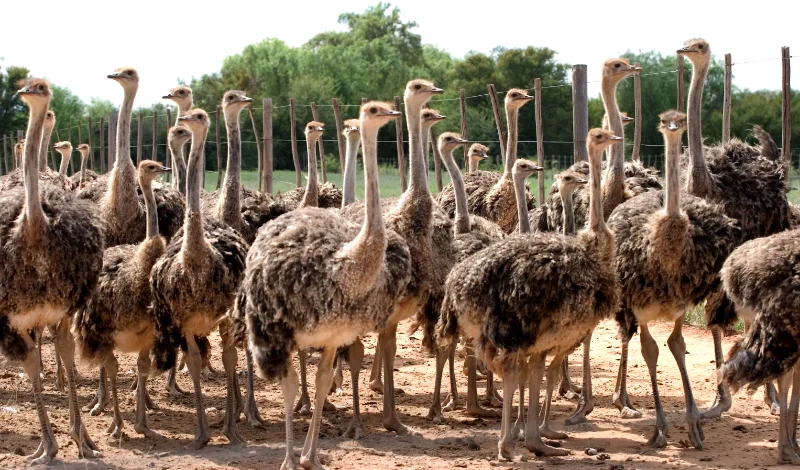
The Oudtshoorn region is widely known as the world’s ostrich capital, with a rich agricultural heritage built around these remarkable birds. For generations, ostrich farming has formed an important part of the local economy, culture, and rural identity of the Klein Karoo.
Today, visitors can experience this unique heritage firsthand through a variety of working ostrich farms in the area. Each offers its own insight into ostrich farming, from guided tours and close encounters with the birds to farm experiences, local products, and authentic Karoo hospitality.
Explore some of the region’s well-known ostrich farms below and discover a truly unique part of South Africa’s rural landscape.
Safari Ostrich Farm https://www.safariostrich.co.za/
Cango Ostrich Farm https://cangoostrich.co.za/
Highgate Ostrich Show Farm https://highgate.co.za/

Keur River Bridge
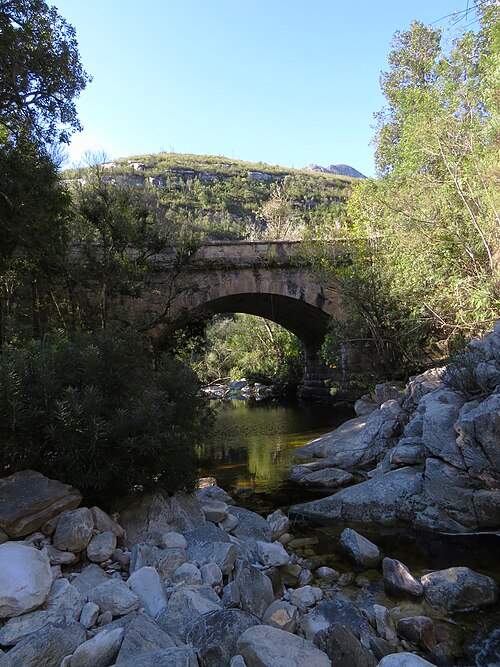
The Keur River Bridge is a historic stone-arched bridge dating back to 1847, located along the iconic Montagu Pass near George. Designed under the supervision of surveyor Charles Michell, it forms part of one of South Africa’s oldest and most important mountain pass routes.
Built from locally sourced stone, the bridge is a remarkable example of early engineering, designed to withstand the rugged mountain conditions of the Outeniqua range. Its enduring structure and scenic setting have earned it recognition as a National Heritage site.
Today, the bridge can be reached via a short nature walk of approximately 1km, offering visitors a peaceful journey through indigenous vegetation and mountain scenery. As part of the oldest unaltered pass still in use in South Africa, the Keur River Bridge remains a quiet but powerful reminder of the region’s transport and engineering history.
Hope Camino Walks
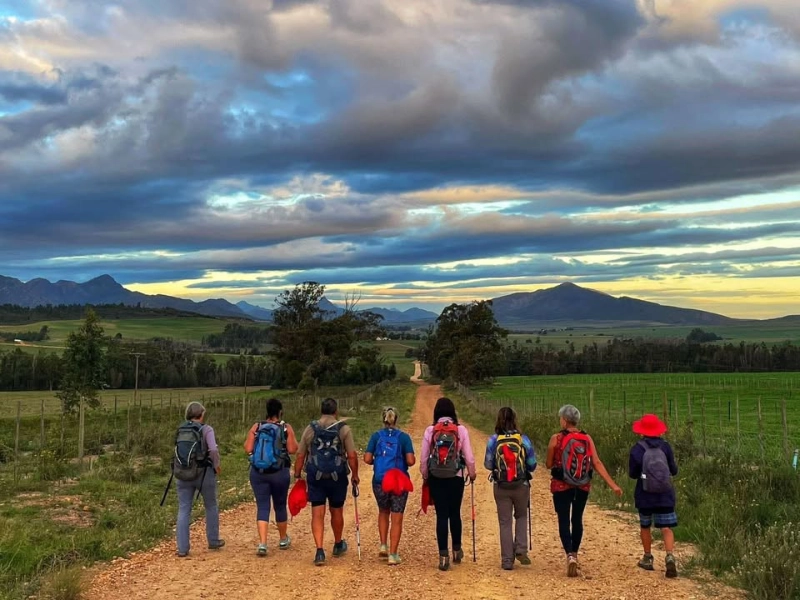
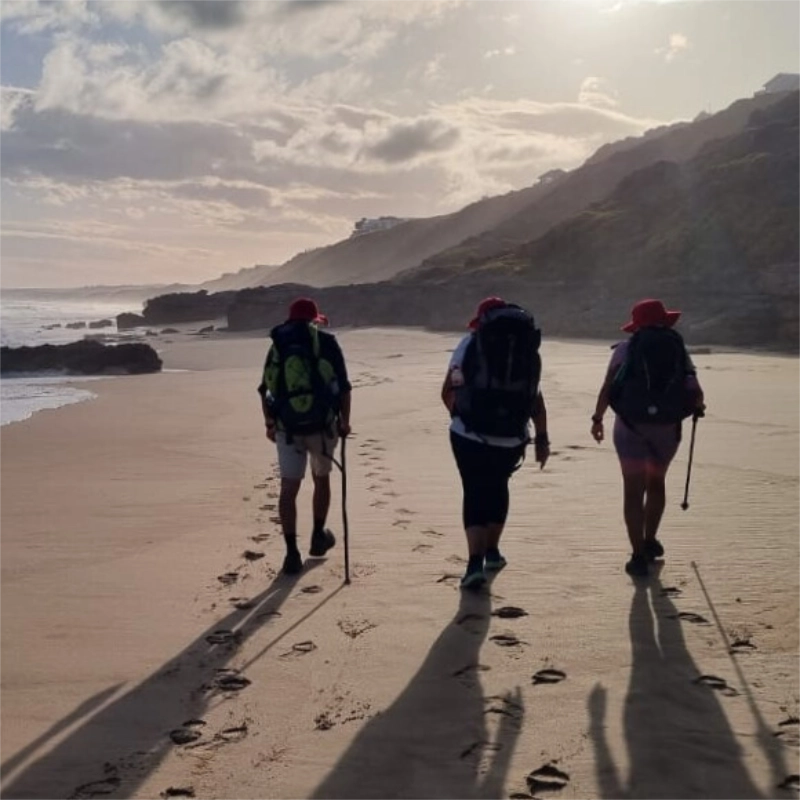
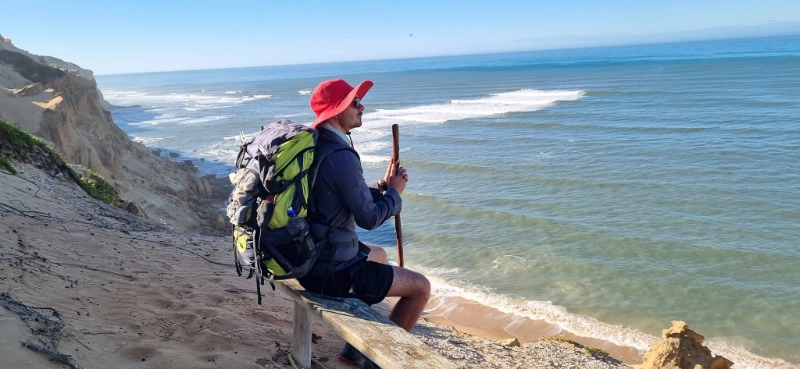
The Hope Camino Walks are rooted in the deep and layered history of the Boland and Overberg regions—areas where the earliest traces of Christian faith in South Africa intertwine with complex stories of culture, conflict, endurance, and hope.
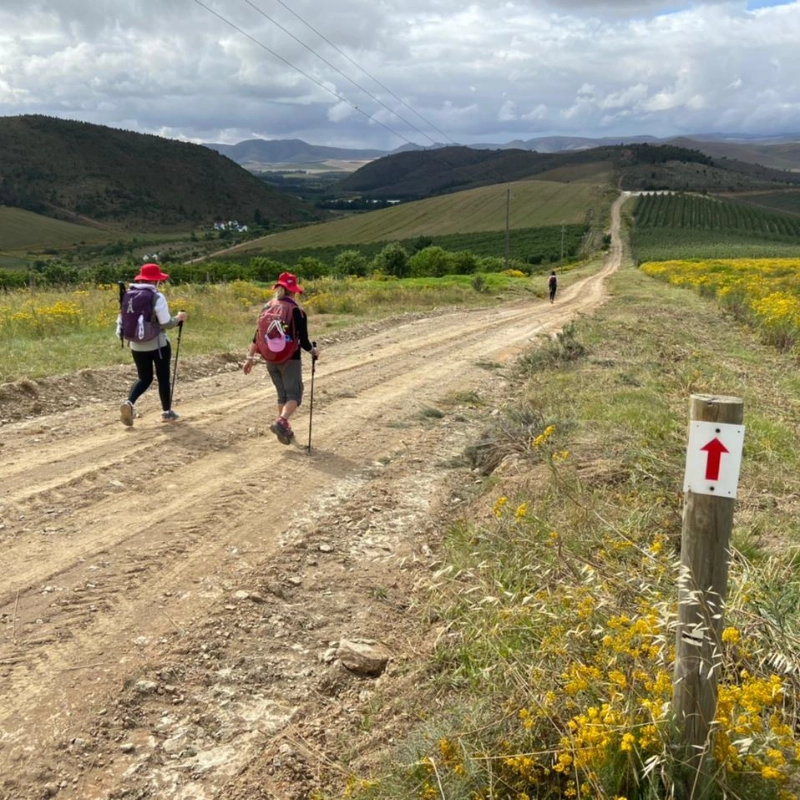
These pilgrimage routes, which begin in either Stellenbosch or Robertson, follow paths once shaped by pioneer farmers, enslaved people, prisoners of war, and the region’s earliest inhabitants. Long before modern roads and technology, communities settled here in search of a future shaped by faith, resilience, and survival.
Along the way, place names such as Genadendal (Valley of Grace), Hemel-en-Aarde (Heaven and Earth), Elim, and Babilonstoringberge (Tower of Babel Mountains) reflect the spiritual and historical depth of the landscape.
The journey is filled with powerful human stories—of struggle and courage, loss and renewal. From early mission settlements to places like Volmoed in the Hemel-en-Aarde Valley, where quiet resistance and compassion shaped history, the route invites reflection on both the beauty and complexity of South Africa’s past.
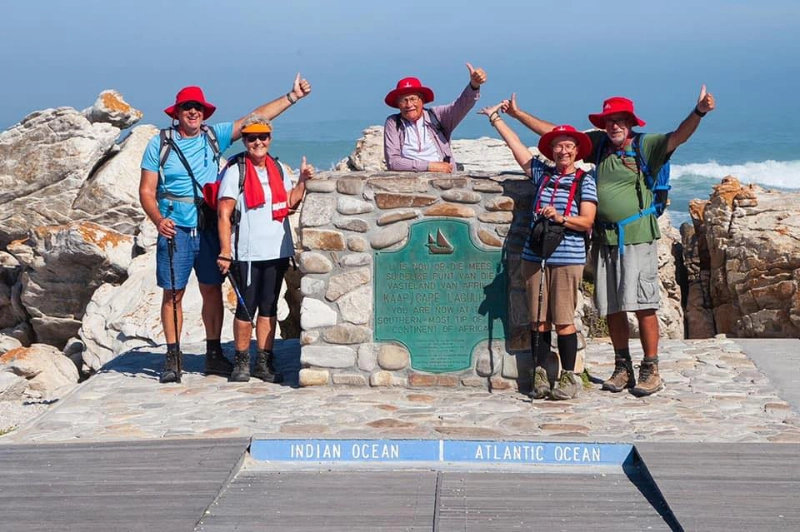
Reaching the southernmost tip of Africa at Cape Agulhas, pilgrims are invited to pause in reflection and unity, often marking the moment with a prayer for Africa—Nkosi Sikelel’ iAfrika—symbolising hope, healing, and commitment to the future of the continent.
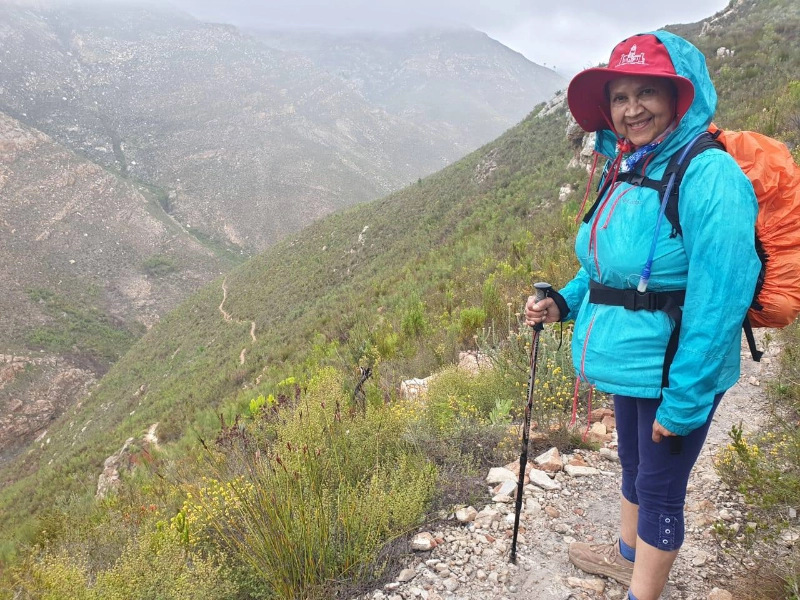
More than a walking route, the Hope Camino is a journey of reflection, connection, and reconciling with history—offering space to walk slowly, listen deeply, and rediscover hope along the way.
Herold Wines
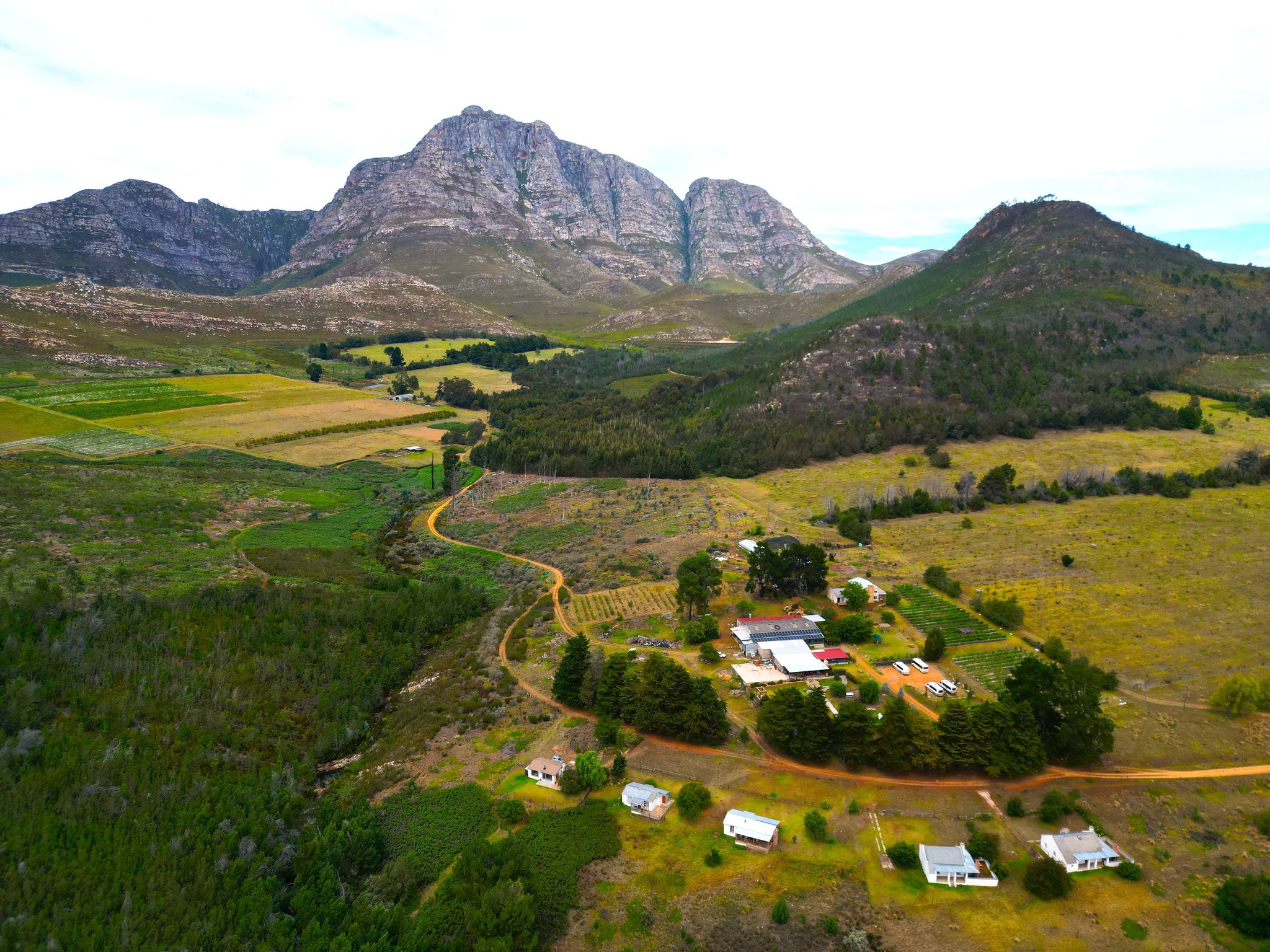
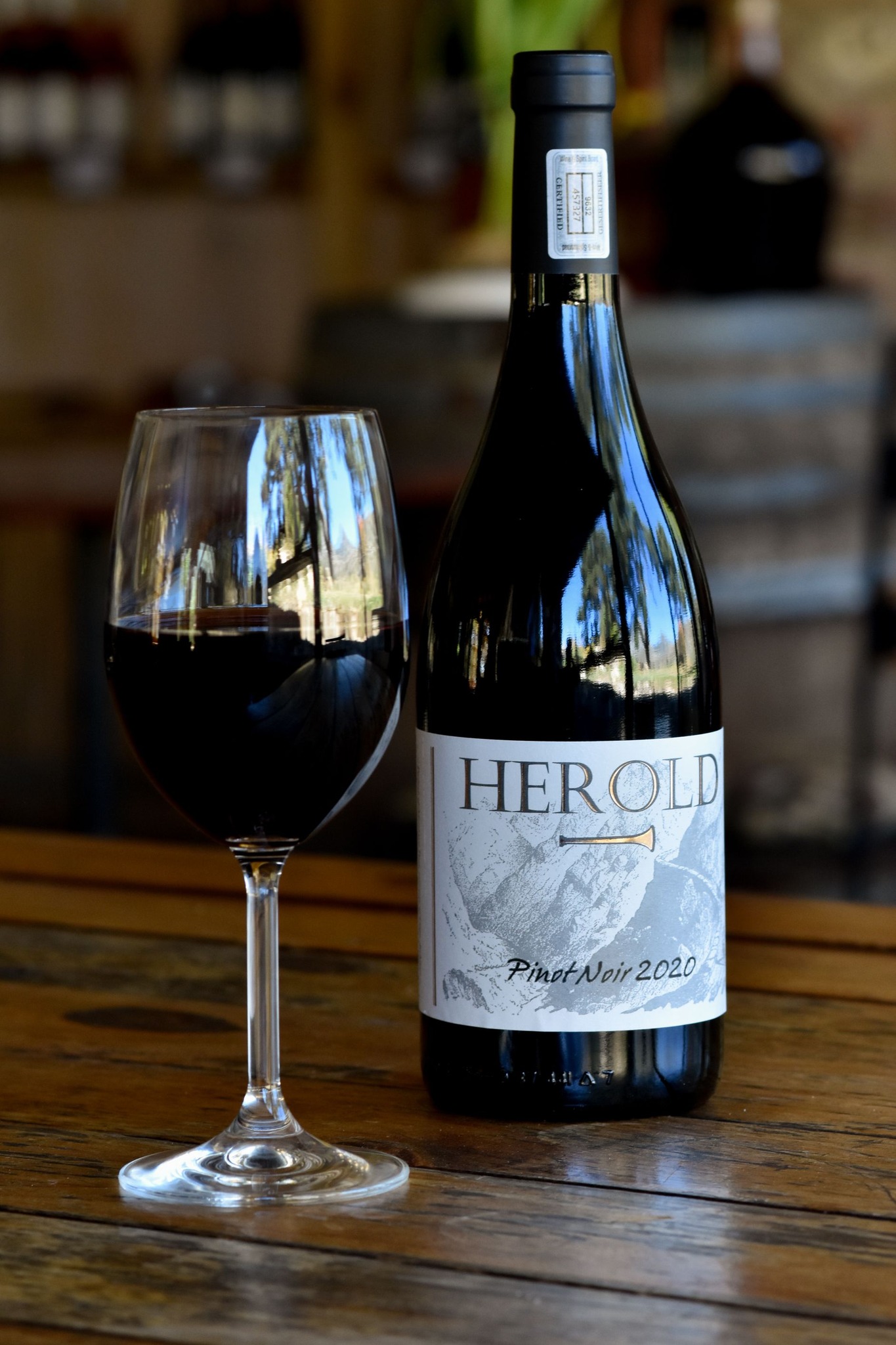
Herold Wines is a family-owned boutique winery established by the Fourie family in 2010, set in a secluded valley at the foot of Cradock Peak in the Outeniqua Mountains. Surrounded by nature reserves and rich biodiversity, the vineyard lies in a unique mountain environment where cool mists and pure air create ideal conditions for producing elegant cool-climate wines.
The farm was originally planted in 1999 and has since grown into a small, carefully cultivated vineyard of approximately 8 hectares, featuring varieties such as Pinot Noir, Sauvignon Blanc, Chardonnay, Shiraz, Merlot, Cabernet Sauvignon, Weisser Riesling, and Semillon. The setting is often compared to renowned European wine regions such as Burgundy, due to its climate and growing conditions.
Herold Wines is a deeply family-driven operation. Winemaking and farming are led by Nico Fourie, a self-taught winemaker, while Maureen Fourie contributes to the full visitor experience through food offerings and hosting events at the farm’s bistro and wedding venue. The estate also supports local families who have been part of the vineyard and cellar team since its early days, creating a strong sense of community and shared purpose.
In addition to wine production, a significant focus of the farm is environmental restoration, with large portions of the property being rehabilitated back to indigenous mountain fynbos. Together, this balance of agriculture, conservation, and community creates a farm that is as much about people and place as it is about wine.
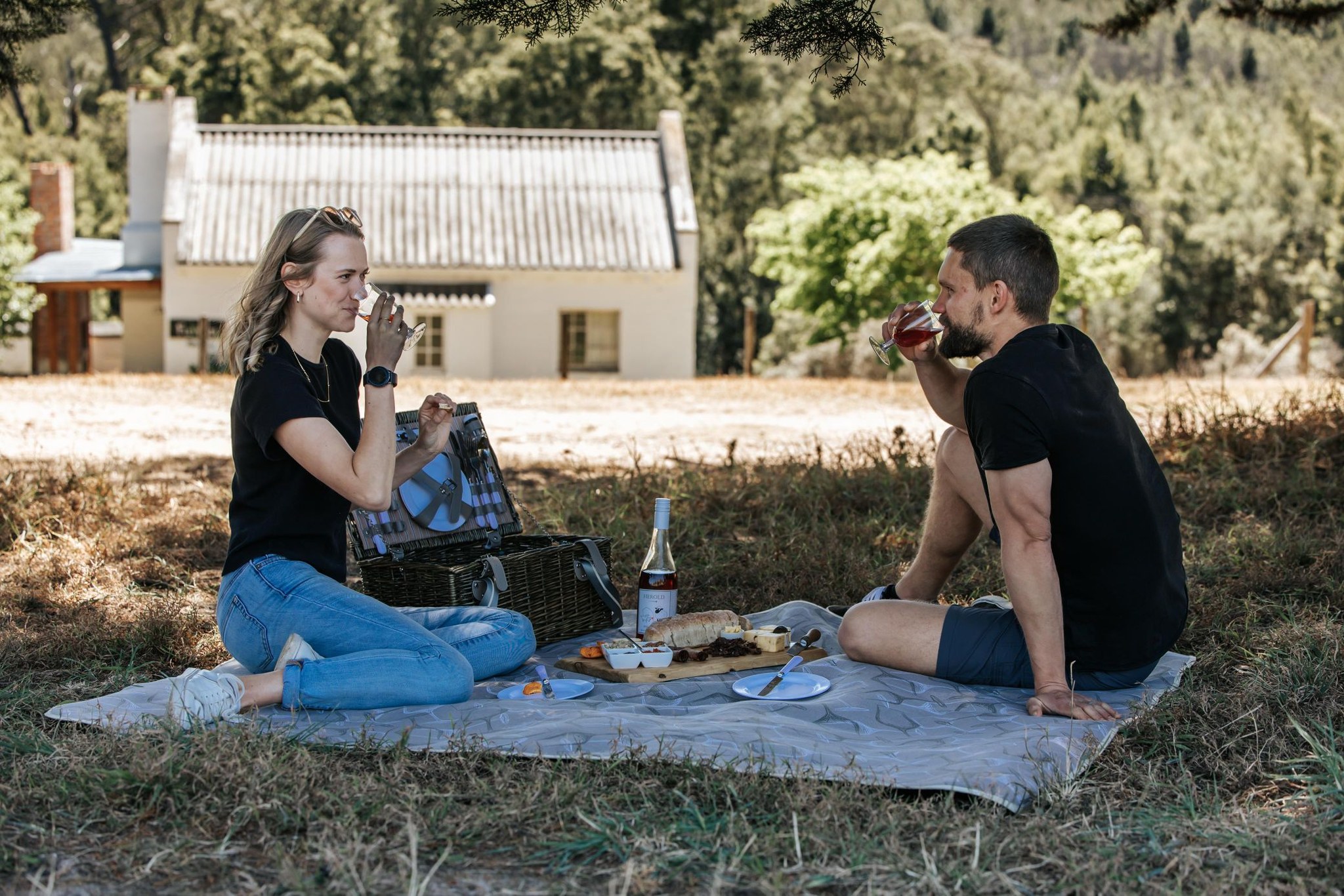
Herold Wines is known for its handcrafted Pinot Noir and Sauvignon Blanc, produced in harmony with the surrounding landscape—offering visitors not only quality wines, but a genuine connection to the mountain environment in which they are grown.
Cango Caves
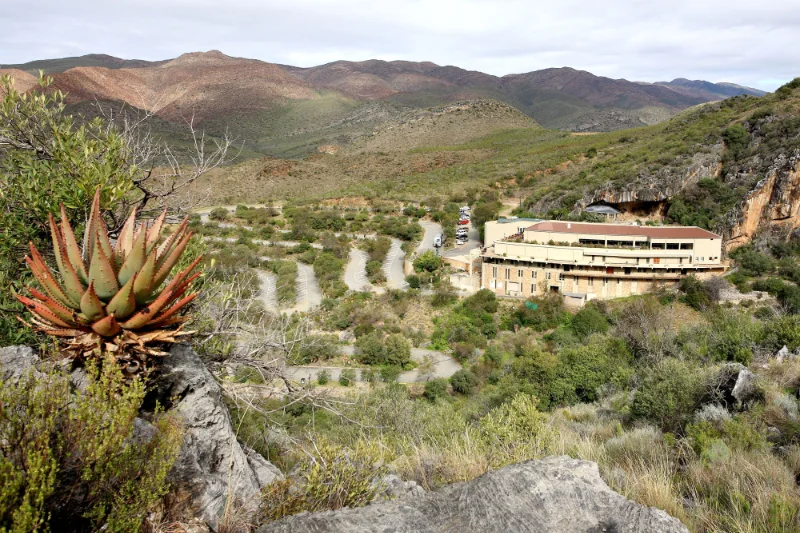
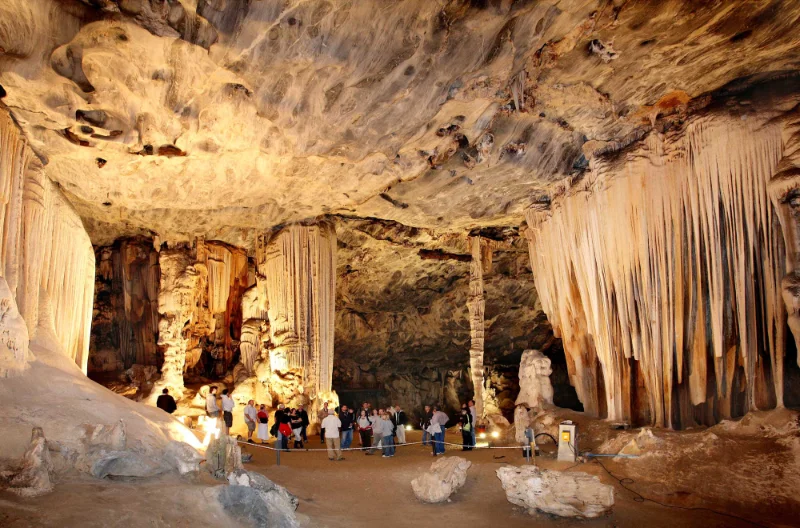
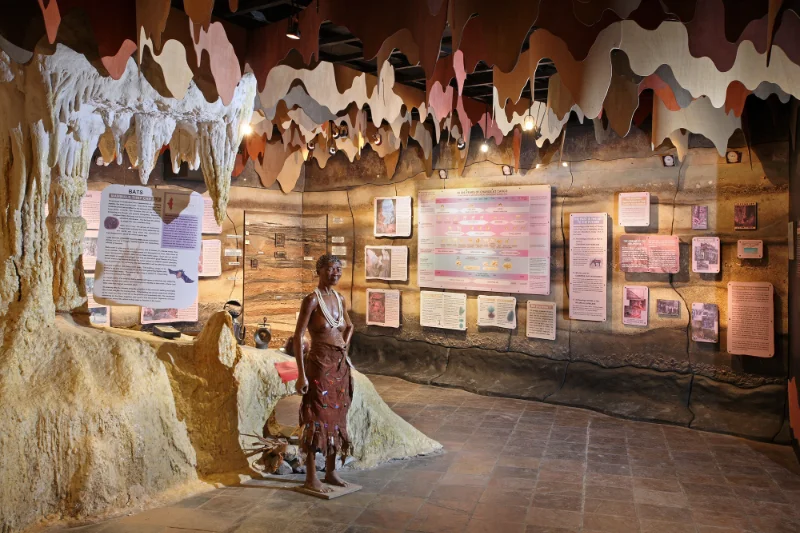
Located near Oudtshoorn in the foothills of the Swartberg Mountains, the Cango Caves are one of South Africa’s most iconic natural wonders. This vast limestone cave system has been shaped over millions of years, forming dramatic chambers, tunnels, and intricate stalactite and stalagmite formations.
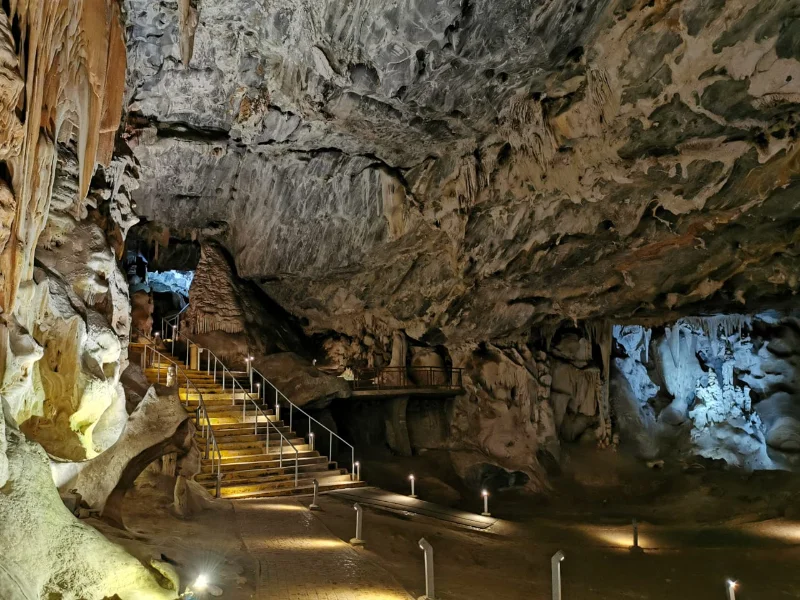
Believed to have been known to early inhabitants since the Stone Age, the caves were later rediscovered in modern times in the late 1700s and have since become one of the country’s most visited natural attractions. Only a portion of the extensive cave system is open to visitors, guided through carefully lit pathways that reveal its extraordinary underground beauty.
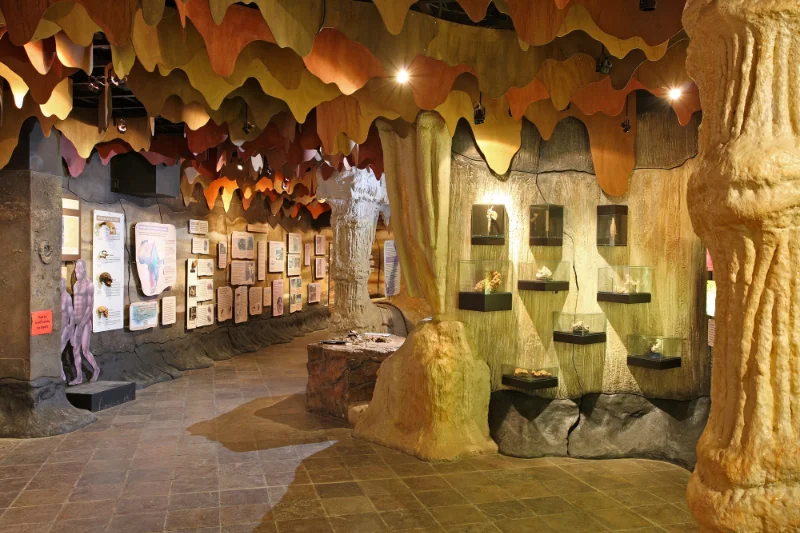
Today, the Cango Caves are recognised for their geological significance, rich history, and awe-inspiring formations—offering visitors a truly unforgettable journey into the depths of the Klein Karoo landscape.
https://www.cango-caves.co.za/